
Moth Eggs: Identification, Life Cycle & Prevention Guide
These tiny, oval eggs often lurk in dark corners, wardrobes, and food storage areas where they remain undetected until the larvae emerge and start causing damage. Spotting moth eggs early and knowing where they might be hiding can help you tackle moth problems in your home before they take hold.
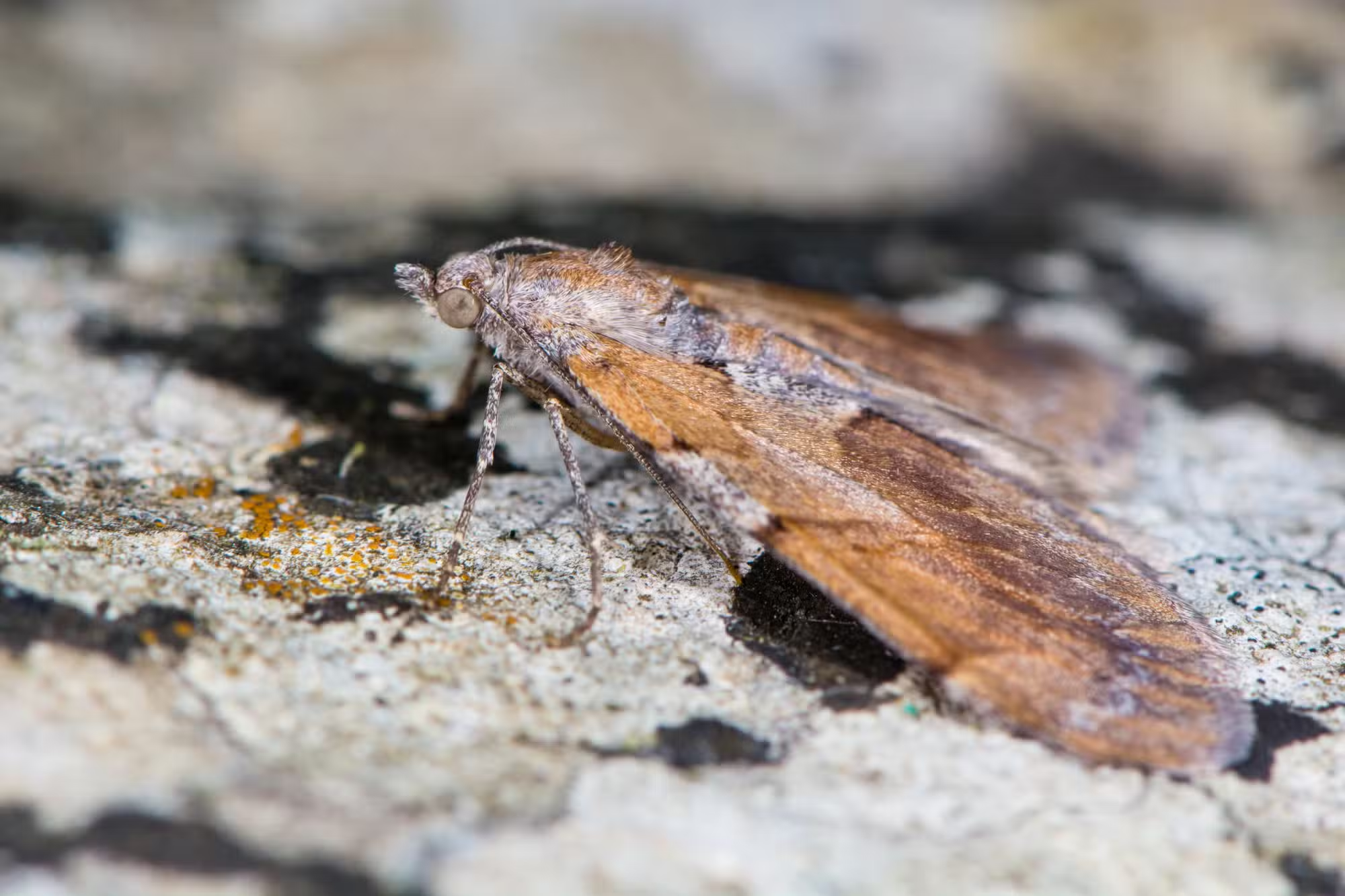
What Do Moth Eggs Look Like?
Moth eggs are incredibly small and difficult to detect. Typically they measure less than 1mm- even smaller than bed bugs!
Although their appearance varies slightly depending on the species, most moth eggs you’ll encounter in your home tend to be cream, white or pale yellow in colour. Their shape is generally oval or round.
The eggs are sticky in texture which helps them adhere firmly to various surfaces, making them challenging to dislodge.
Where Do Moths Lay Eggs?
Female moths lay their eggs in well-hidden locations that will provide nourishment for newly hatched larvae.
For example, clothes moth eggs are usually attached to natural fibres such as wool, silk, and cashmere. Whereas, pantry moths prefer laying eggs near food sources like cereals, flour, and other dry goods in your kitchen.
The Complete Moth Life Cycle
Getting to grips with the moth life cycle helps enormously when tackling a home infestation and prevent the cycle from beginning.
Although different species of moths take varying lengths of time within each stage, the four distinct phases remains the same:
1. Egg Stage
The cycle begins when a female moth deposits eggs in a suitable environment. A single female can produce anywhere from 50 to several hundred eggs during her lifetime. She carefully places these eggs in clusters near food sources that will feed the larvae once they hatch.
2. Larva Stage
When moth eggs hatch, they release moth larvae (tiny caterpillars) that immediately start feeding.
This is by far the most destructive phase of the moth life cycle.
Moth larvae feed endlessly on their surroundings. Clothes moth larvae consume natural fibres including wool, silk, cashmere, and feathers, leaving visible holes and damage to your clothing, carpets, and upholstery. Pantry moth larvae, on the other hand, feed on stored food products, contaminating them with webbing and droppings.
The larval stage can last anywhere from 2 to 30 months, depending on the species and environmental conditions.
During this time, the larvae will moult several times as they grow. This leaves behind evidence of an upcoming infestation.
3. Pupa Stage
After the larval phase, moth larvae spin protective cocoons around themselves and enter the pupa stage. Inside these cocoons, they transform from a larva to an adult moth.
This process generally takes 1-3 weeks but varies depending on temperature and humidity in your home.
4. Adult Stage
Once metamorphosis completes, the adult moth emerges from its cocoon. Adult moths have wings and can fly, allowing them to spread throughout your home.
Interestingly, adult clothes moths don’t feed at all. Their sole purpose is reproduction. Adult pantry moths might consume some liquid but focus primarily on mating and laying eggs to start the cycle again.
The entire life cycle from eggs and larvae, to adult can take anywhere from 30 days to 2 years. It all depends on the species and conditions in your home.
Common Moth Species and Their Eggs

Clothes Moths
The common clothes moth and case-bearing clothes moth both lay their eggs directly on items of clothing.
Their eggs are particularly difficult to spot because they’re extremely small (about 0.5mm) and blend seamlessly into their surroundings.
Female clothes moths typically lay about 40-50 eggs over 2-3 weeks.
The eggs hatch within 4-10 days in warm conditions but may require longer in cooler environments.
Pantry Moths
Indianmeal moths and other pantry pests lay their eggs near food sources in your kitchen and pantry.
These eggs are white or greyish in colour and nearly invisible to the naked eye.
Their eggs are typically laid in or near food products such as cereals, flour, pasta, dried fruits, and pet food.
A female pantry moth can produce batches of 60-400 eggs.
Outdoor Moths
While less likely to infest homes, some outdoor moths like the emperor moth or tiger moth occasionally find their way indoors.
These species typically lay their eggs on specific plants. Although, if trapped inside they may lay eggs on cardboard containers or house plants.
Some outdoor moth species lay eggs in clusters that may contain 15 eggs or more.
How to Prevent Moth Eggs and Infestations
Moth prevention always beats treatment, both in terms of ease and cost-effectiveness. To stop moths from laying eggs and hatching into larvae, you can take the following steps:
Regular Cleaning of Home
Vacuum carpets and upholstery regularly, especially in dark corners and under furniture where moths prefer to lay their eggs. Ensure you clean storage areas, wardrobes, and drawers periodically, as these undisturbed spaces make perfect breeding grounds.
Proper Storage of Clothing Items
Store seasonal clothing in sealed containers after thoroughly cleaning them.
Consider using cedar blocks or lavender sachets as natural deterrents. While they won’t kill existing larvae, they may help discourage new moths from settling in. Remember to refresh these natural repellents regularly as their scent diminishes over time.
Climate Control
Moths thrive in warm, humid environments, so maintaining good ventilation throughout your home can make it less appealing to these pests. Using dehumidifiers in prone areas like wardrobes and storage spaces can create conditions that moths find less hospitable.
Regular Inspection for Moth Eggs
Make a habit of checking vulnerable items regularly for signs of damage. Pay particular attention to seasonal clothing before storing it away and again after retrieving it from storage. Early detection can prevent a small problem from becoming a major infestation.
Precautionary Moth Traps
Moth traps in storage spaces, attics or rooms can help prevent an infestation before it starts. Traps prevent outside moths from laying eggs, and they also break the breeding cycle by reducing the chance of new generations developing.
Frequently Asked Questions About Moth Eggs
How quickly do moth eggs hatch?
Moth eggs typically hatch within 4-10 days in warm conditions, though this varies depending on the species and environmental factors. In cooler temperatures, eggs may take longer to hatch, sometimes up to 3-4 weeks.
Can moth eggs survive washing?
Hot water washing (60°C or higher) will kill moth eggs on clothing. However, many delicate fabrics can’t withstand such high temperatures. Regular dry cleaning effectively eliminates all life stages of moths, including eggs. Alternatively, freezing delicate clothes for 3 days at a time can help kill the eggs.
How do I know if I have moth eggs in my carpet?
Moth eggs in carpets are extremely difficult to spot with the naked eye. Look for signs of larvae activity instead, such as small, silken tubes or cases, fine webbing, or damaged areas in the carpet, particularly in dark corners and under furniture.
How many eggs does a female moth lay?
The number varies by species, but a single female clothes moth can lay between 40-100 eggs in her lifetime. Pantry moths are even more prolific, with females capable of laying 200-400 eggs. This remarkable reproductive capacity explains how infestations can quickly spiral out of control in your home.
Can moth eggs be transferred on new clothing?
Yes, new clothing may already contain moth eggs, especially if it’s been stored in a warehouse or shop with an infestation. We recommend washing or dry cleaning new natural fibre clothing before adding it to your wardrobe.
Contact Clark Pest Control Glasgow for Effective Pest Management
If you’re grappling with a moth infestation that feels overwhelming, professional pest management offers the most effective solution.
Here at Clark Pest Control, our experienced technicians can identify the specific moth species causing problems in your home and implement targeted treatments to eliminate eggs, larvae, and adult moths.
For professional moth control services in Glasgow, give us a ring on 0141 280 0339. We are always more than happy to help!
Why Choose Clark Pest Control?
- 24/7 Same Day Response
- Local Branches Across the UK
- State of the Art Equipment
- Fully Insured Pest Control Service
- British Pest Control Association (BPCA)
- Accredited Pest Technicians
- Cost-Effective.
Book a FREE Survey
Call us on 0800 808 5615