Identifying and Eliminating Moth Larvae in Your Home
These small, worm-like creatures are the immature form of moths and are responsible for the destruction many UK homeowners face.

Understanding Moth Larvae and Their Life Cycle
Moth larvae represent the most destructive stage in the moth life cycle.
While adult moths flutter about harmlessly, they mate and lay eggs that hatch into hungry larvae. These youngsters feed greedily on natural fibres containing keratin, a protein found in wool, silk, fur, feathers, and sometimes even synthetic materials that have picked up organic matter.
The life cycle of a moth typically includes four stages:
1. Egg Stage
Females seek out dark, undisturbed spots near potential food sources to lay their moth eggs. A single female can produce between 40-50 eggs, which usually hatch within 4-10 days, depending on the temperature and humidity in your home.
2. Larval Stage
After hatching, larvae waste no time and begin feeding straight away.
This is the most destructive stage and it can last anywhere from 2-30 months, varying with food availability and temperature. Clothes moth larvae appear cream-coloured, while carpet moth larvae often look slightly darker with a hint of brown.
3. Pupal Stage
Once larvae have eaten their fill, they spin protective cocoons and transform into pupae. This remarkable transformation generally takes about 8-10 days to complete.
4. Adult Stage
Adult moths emerge from their cocoons ready to find a mate and continue the cycle.
Adult moths can vary in size and colour, which helps identify between types.
Common Types of Destructive Moth Larvae in UK Homes
Across UK properties, two main types of moth larvae cause the most headaches for homeowners:
Clothes Moth Larvae
The common clothes moth (Tineola bisselliella) and case-bearing clothes moth (Tinea pellionella) can be found throughout the UK.
Clothes moth larvae particularly enjoy setting up home in wardrobes and clothing storage areas. The webbing clothes moth larvae are quite industrious, creating silk tubes or ‘cases’ that they carry around for protection while feeding.
These crafty larvae might be hiding in several places in your home. Common areas they are found include within:
- Folded woollen jumpers
- Cashmere and silk
- Clothing left in storage
Carpet Moth Larvae
Carpet moth larvae typically make their home in carpeting made from natural fibres such as wool.
They prefer undisturbed areas where they can feed without interruption.
Common hiding spots include:
- Under furniture
- Edges of carpets
- Rarely used rooms
- Underside of carpets
Signs You Have a Moth Larvae Infestation
Spotting moth larvae early can save your valuable belongings from extensive damage. Keep an eye out for these telltale signs:
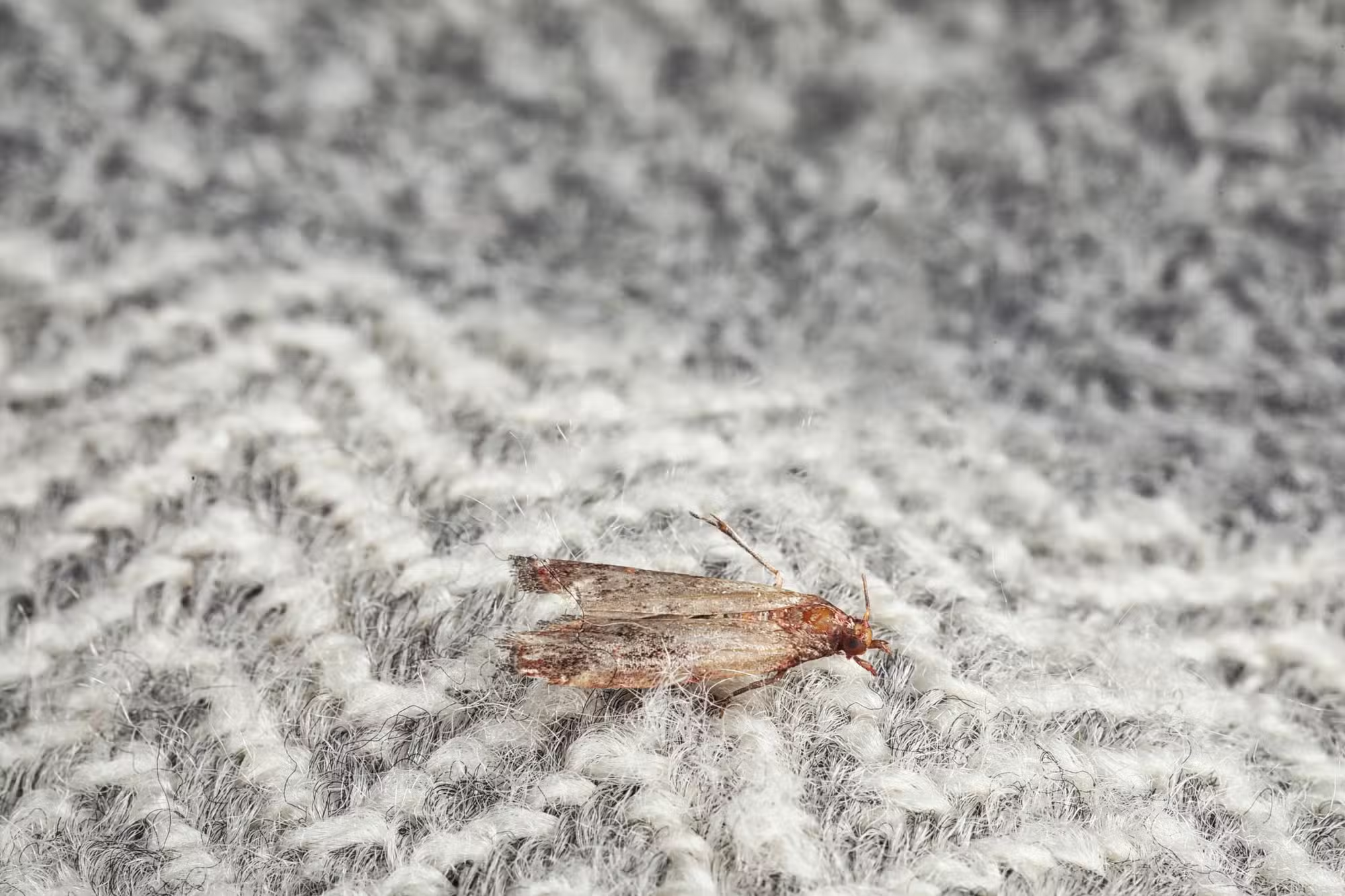
Visual Indicators of the Presence of Moths
The most obvious sign is spotting the actual larvae, which look like small whitish worms about 1cm long, or seeing adult moths fluttering around your home, particularly in the evening.
Silky webbing on clothing or carpets is also a sign of moth activity.
If you inspect your clothing, furniture, and carpets and see small brown or reddish bugs instead, it may be a sign you have bed bugs.
Damage Patterns from Moth Larvae
Moth larvae leave distinctive damage behind. Look for irregular holes in fabrics, particularly in hidden areas like under collars or inside folds where moths feel safe.
Carpet damage typically appears as bare patches or thinning areas, often in corners or under furniture.
Other Evidence of Moths
Additional signs may include:
- Shed skin casings
- Tiny cream-coloured eggs
- Musty, unpleasant odours, particularly in closets or storage spaces
Effective Methods to Eliminate Moth Larvae
Tackling a moth larvae infestation requires a thorough approach on multiple fronts. If you discover an infestation, don’t panic, but do take prompt action with the following steps.
Thorough Cleaning
Vacuum all affected areas thoroughly, paying special attention to carpet edges, the space under furniture, and inside wardrobes where moths love to hide.
Remember to empty the vacuum immediately after use and dispose of the contents in an outdoor bin to prevent larvae from escaping back into your home.
Washing and Freezing
Wash infested clothing at high temperatures (at least 60°C) to kill moth eggs and larvae that might be hiding in the fibres.
For delicate items that cannot withstand hot washing, place them in sealed plastic bags in the freezer for at least 72 hours. The extreme cold will eliminate all life stages of the moths without damaging your precious garments.
Chemical Treatments
For serious infestations that don’t respond to cleaning alone, you may need to use insecticide sprays specifically formulated for moth control.
These products can effectively kill moth larvae, but should be used according to the manufacturer’s instructions and with proper ventilation.
Always test on an inconspicuous area first to ensure no damage to fabrics or carpets.
Moth Traps
Pheromone traps offer an effective way to monitor and reduce adult moth populations. These clever traps attract adult male moths using synthetic pheromones, breaking the breeding cycle by preventing mating. While they won’t eliminate larvae already present, they can help prevent new generations from developing.
When to Call Professional Pest Control
While many moth infestations can be managed with DIY methods, some situations call for professional help.
Persistent Problem
You should consider calling our professional pest control services if you’ve tried addressing the problem yourself but the infestation persists despite your best efforts.
Repeated infestations, where moths return despite treatment, often indicate a source you haven’t located, which our professionals can help identify.
Household Infestation
Professional help is also recommended when multiple rooms in your home show signs of moth activity. This suggests a widespread problem.
If you have valuable carpets or clothing collections that need protection, expert treatment offers peace of mind.
Fast and Effective Results
Professional pest controllers have access to more powerful treatments which can bring rapid and effective results. By implementing a comprehensive strategy, they can eliminate larvae and prevent future problems from occurring.
Frequently Asked Questions About Moth Larvae
What do moth larvae eat besides clothing?
While clothes moth larvae are notorious for damaging garments, their appetite extends to a variety of other keratin-containing materials.
They happily munch on fur, feathers, felt, and sometimes even synthetic fibres that have been soiled with food or body oils. Pantry moths, their cousins, prefer a different menu, feeding on grains, flour, rice, and other dried foods in your kitchen cupboards.
Can moth larvae survive washing?
Most moth larvae cannot survive washing at temperatures of 60°C or higher, making hot washing an effective treatment for infested clothing. However, eggs can be more resilient, which is why combining washing with other treatment methods gives better results. Dry cleaning also proves effective at eliminating all life stages of moths from fabrics that can’t be washed at home.
Are moth larvae harmful to humans?
Moth larvae pose no direct threat to humans. They don’t bite, sting, or transmit diseases as some other pests might. However, some people may experience allergic reactions to the shed skins and waste products that moth larvae leave behind. These can trigger respiratory issues in sensitive individuals, particularly in cases of severe infestations.
Contact Clark Pest Control For Pest Support in Glasgow
Dealing with moth larvae requires patience, persistence and a combination of approaches for complete elimination.
If you’re finding it difficult to overcome a persistent moth problem in your Glasgow home, we at Clark Pest Control can lend a hand. Our experienced technicians know exactly how to identify the source of your moth troubles and can put together effective treatment strategies tailored to your situation.
Feel free to ring our Glasgow office at 0141 280 0339 for friendly, professional assistance for your moth control needs.
Why Choose Clark Pest Control?
- 24/7 Same Day Response
- Local Branches Across the UK
- State of the Art Equipment
- Fully Insured Pest Control Service
- British Pest Control Association (BPCA)
- Accredited Pest Technicians
- Cost-Effective.
Book a FREE Survey
Call us on 0800 808 5615