Gull Species
(Laridae)
Appearance
Gulls, belonging to the family Laridae, are medium to large seabirds with distinctive appearances. They vary in size, with the smaller species like the little gull (Hydrocoloeus minutus) measuring around 29 centimetres in length and weighing about 100 grams, to the larger species like the great black-backed gull (Larus marinus), which can reach up to 76 centimetres and weigh around 2 kilograms.
Gulls typically have a robust body, long wings, and webbed feet adapted for swimming. Their plumage is generally a mix of white, grey, and black, with some species displaying distinctive markings such as wingtips and tail bands. Juvenile gulls are usually mottled brown and grey, gradually acquiring adult plumage over a few years. The bill is often hooked and varies in colour from yellow to red to black, depending on the species.
Habitat
Gulls are highly adaptable birds found in a variety of habitats, though they are most commonly associated with coastal and marine environments. They inhabit beaches, cliffs, estuaries, and offshore islands. However, their adaptability has also led them to thrive in inland areas, particularly around human settlements.
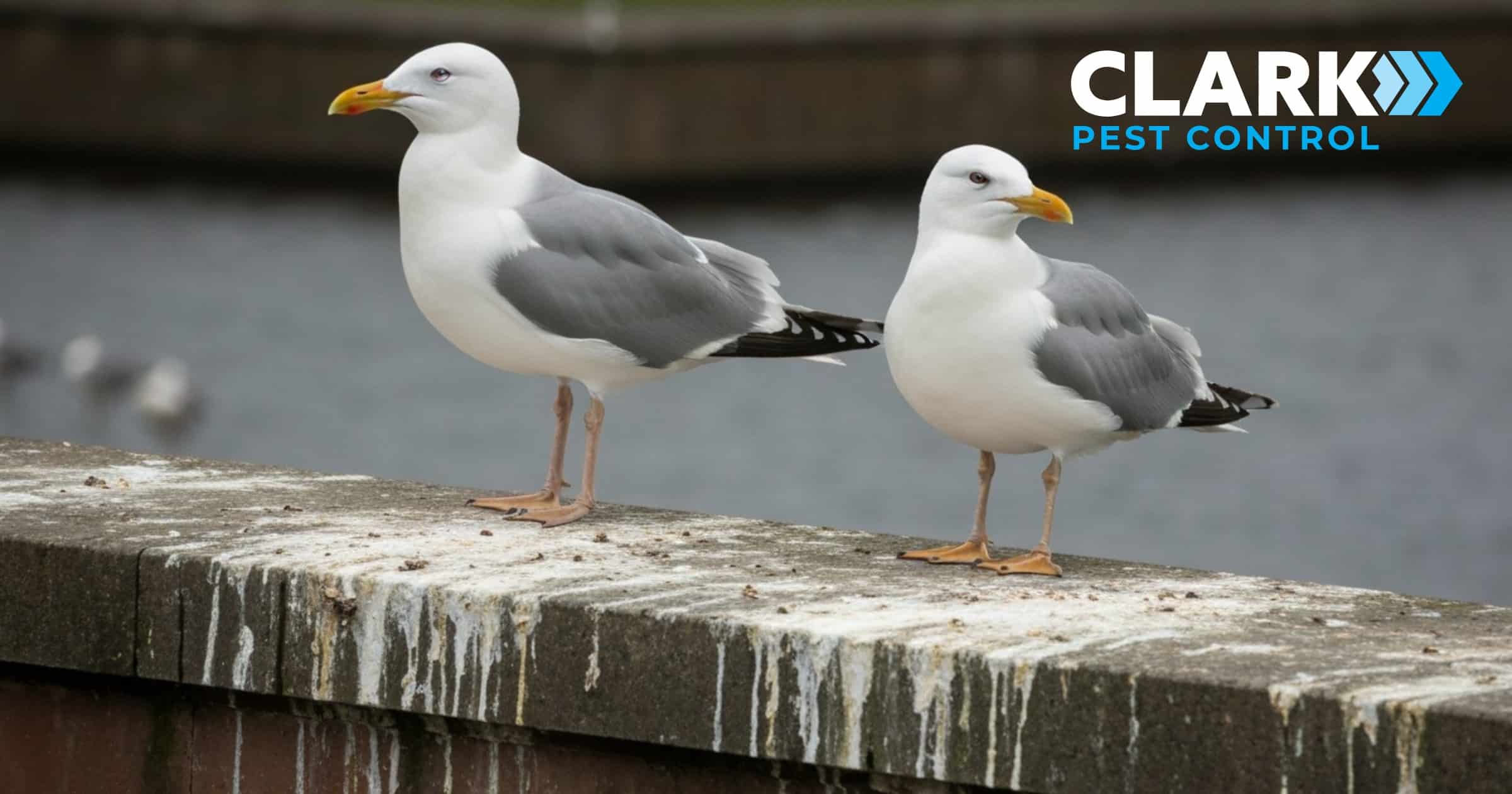
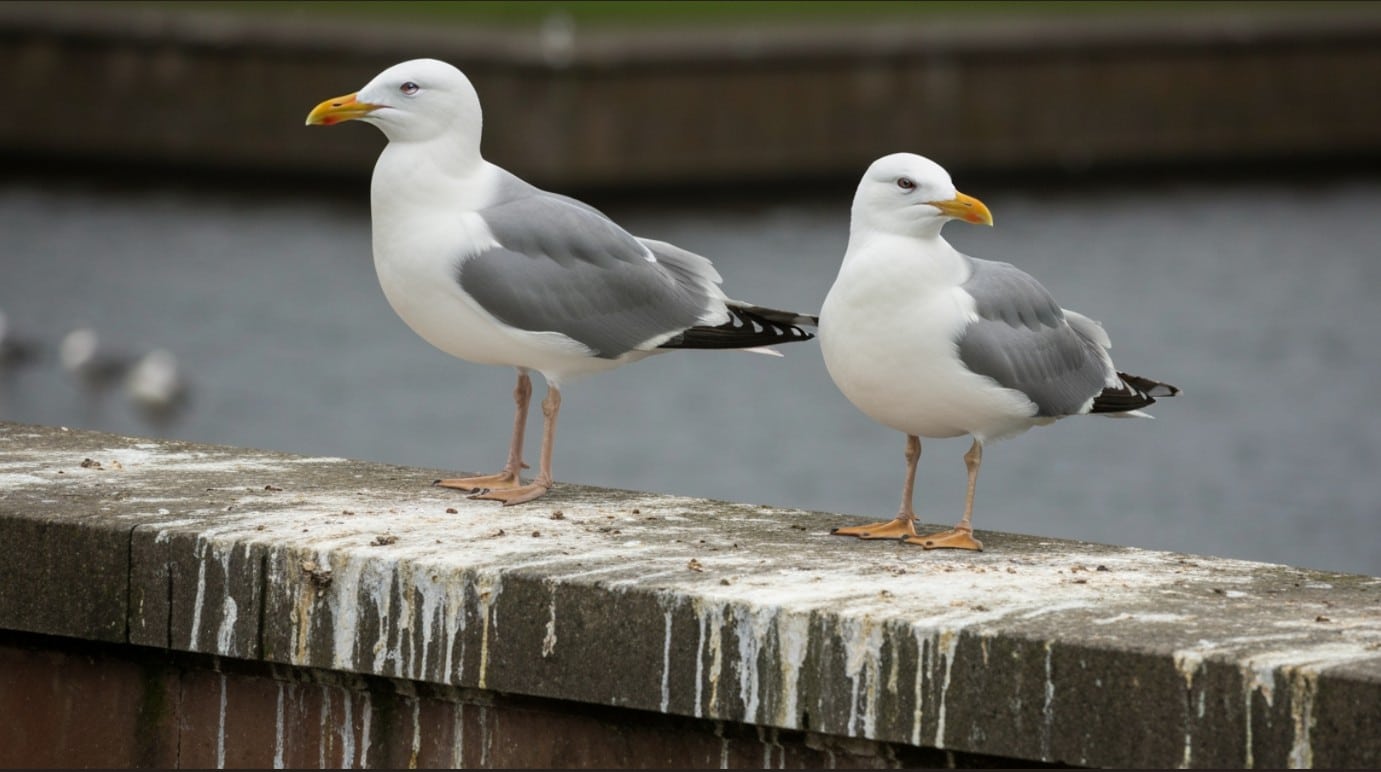
Gulls are frequently seen around rivers, reservoirs, parks, and landfills. They are also common in areas with large bodies of water, such as docks and harbours. Their ability to exploit human food sources and nesting sites makes them a familiar sight in cities and towns.
Behaviour
Gulls are opportunistic feeders with a highly varied diet. They consume fish, invertebrates, carrion, and refuse, as well as stealing food from other birds. Their scavenging behaviour often brings them into conflict with humans, especially in urban areas where they raid bins, scavenge in streets, and congregate around outdoor eating areas.
These birds are known for their intelligence and complex social behaviour. They use a range of vocalisations and body language to communicate with each other, especially during breeding season. Gulls are also known to use tools, such as dropping shellfish onto hard surfaces to break them open.
Breeding typically occurs in colonies, with nests built on the ground, cliffs, rooftops, or other elevated surfaces. The nests are made from grass, seaweed, and other materials. Gulls lay two to three eggs, which are incubated by both parents for about three to four weeks. The chicks are precocial, meaning they are relatively mature and mobile from birth, but they remain in the nest for a few weeks before fledging.
Gulls are highly territorial during the breeding season, often engaging in aggressive behaviour to defend their nests. They are known to dive-bomb perceived threats, including humans, which can make them particularly problematic in densely populated areas.
Why are Gulls considered a pest?
Gulls are considered pests for several reasons, primarily related to their feeding and nesting behaviour in urban areas. Here are the main issues associated with gulls:
- Health Risks: Gulls can carry and transmit various diseases to humans, including Salmonella, E. coli, and Campylobacter. Their droppings can also harbour harmful bacteria and parasites, posing a risk to public health, especially in areas where food is prepared or consumed.
- Noise Pollution: Gulls are noisy birds, especially during the breeding season when their calls can be incessant and loud. This can lead to significant noise pollution in urban areas, disturbing residents and businesses.
- Property Damage: Gulls often nest on rooftops and other structures, causing damage with their droppings and nesting materials. The acidic nature of their droppings can corrode building materials, leading to costly repairs. Additionally, their nests can block gutters and drainage systems, causing water damage.
- Safety Hazards: The aggressive behaviour of gulls, particularly during the breeding season, can pose a safety risk to humans. Dive-bombing gulls can cause injuries, especially to children and pets. The accumulation of droppings on pavements and walkways can also create slippery surfaces, increasing the risk of slips and falls.
- Economic Impact: Gulls can cause significant economic losses in agriculture by preying on livestock feed and crops. In urban areas, their presence can deter tourists and customers, impacting local businesses and reducing the quality of life for residents.
In urban areas of the UK, gulls are a common sight and their presence can lead to many of the issues mentioned above. Managing gull populations requires a combination of measures to reduce food sources, deny access to nesting sites, and implement humane control methods.
Signs of Infestation
Identifying a gull infestation involves looking for specific signs that indicate their presence. Here are some common indicators:
- Droppings: Accumulations of gull droppings on buildings, streets, pavements, and other structures are a clear sign of an infestation. The droppings are often concentrated in areas where gulls roost or nest.
- Nesting Sites: Gulls typically build their nests on rooftops, ledges, cliffs, and other elevated locations. Look for nests made of grass, seaweed, and other debris in these areas.
- Noise: The loud calls and cries of gulls, especially during the breeding season, are a common sign of their presence. The noise can be incessant and disruptive, particularly in residential and commercial areas.
- Feather Debris: The presence of gull feathers, particularly in large quantities, can indicate a nearby roosting or nesting site. Feathers are often found around buildings and other structures where gulls gather.
- Gull Sightings: Regular sightings of large numbers of gulls in a specific area, particularly around food sources or nesting sites, are a strong indicator of an infestation.
Gulls in the UK
In the UK, gulls are a familiar part of the urban landscape. Public areas, particularly those near water bodies and food sources, are common sites for gull gatherings.
Effective management of gulls in the UK involves a combination of strategies. Reducing access to food is crucial, which can be achieved through public education on not feeding gulls and ensuring proper waste management. Installing physical barriers such as bird spikes, netting, and wire systems can help prevent gulls from roosting and nesting on buildings.
Additionally, deterrent methods such as audio-visual deterrents and falconry can be used to manage gull populations. It is essential to work with BPCA-accredited pest controllers who can provide expertise and effective solutions tailored to the specific challenges posed by gulls in urban environments.
Learn more about how to get rid of gulls
Gull Species
Pest activity
Jan
Feb
Mar
Apr
May
Jun
Jul
Aug
Sep
Oct
Nov
Dec
Risks
Infestation
Public Health
Property Damage
Escalation (left untreated)
Book a FREE Survey
Call us on 0800 808 5615