Woodlice & Slaters
(Oniscidea spp.)
Appearance
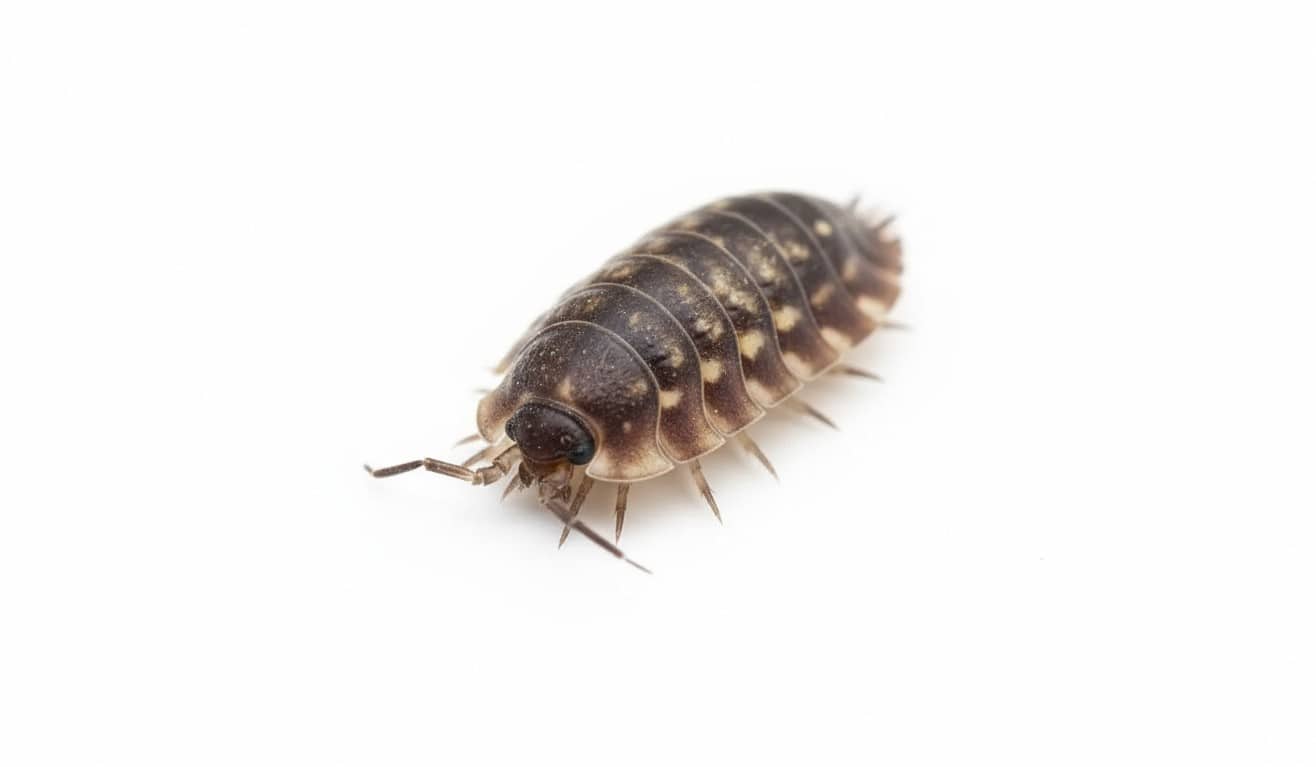
Woodlice, also known as slaters or pill bugs, are small, terrestrial crustaceans belonging to the order Isopoda. They typically measure between 5 to 15 millimetres in length. Their bodies are oval-shaped and segmented, giving them a somewhat armoured appearance. The colour of woodlice varies from grey to brown, though some species may exhibit a blueish or purplish hue.
Woodlice have seven pairs of legs, which are short and adapted for crawling. Their antennae are relatively short and segmented, aiding in navigation and sensory perception. One of the most distinctive features of woodlice is their ability to curl into a tight ball when threatened, a behaviour known as conglobation. This defensive mechanism helps protect their soft underbodies from predators.
Habitat
Woodlice are commonly found in damp, dark environments where there is plenty of organic material to feed on. They thrive in moist conditions, which are essential for their survival, as they can quickly desiccate (dry out) without adequate humidity. Typical habitats include under rocks, logs, leaf litter, and within soil. They are also frequently found in compost heaps, garden beds, and greenhouses.
Woodlice often invade homes, particularly basements, cellars, and other areas with high humidity. They can be found under sinks, in bathrooms, and around potted plants. Woodlice are attracted to any location that provides shelter and moisture, making older buildings with poor ventilation or water issues prime targets.
Behaviour
Woodlice are detritivores, meaning they feed primarily on decaying organic matter. Their diet includes dead leaves, rotting wood, and other decomposing plant material. By consuming these materials, woodlice play a crucial role in breaking down and recycling nutrients back into the soil, contributing to soil health and fertility.
Woodlice are nocturnal creatures, being most active during the night. During the day, they hide in damp, dark places to avoid desiccation and predation. Their movements are generally slow and deliberate, but they can move quickly when disturbed. Woodlice are also known to exhibit thigmotaxis, which is the tendency to seek out and remain in close contact with surfaces.
Reproduction in woodlice involves a complex mating ritual. Females carry their eggs in a brood pouch located on the underside of their bodies. The eggs hatch into tiny, white juveniles that resemble smaller versions of the adults. These juveniles go through several moults as they grow, gradually developing the characteristic colour and features of adult woodlice.
Woodlice have a unique respiratory system that requires moisture to function properly. They breathe through structures called pleopodal lungs, which are located on the underside of their abdomen. These lungs must remain moist to facilitate gas exchange, which is why woodlice are so dependent on humid environments.
Why are Woodlice considered a pest?
Woodlice are generally not considered major pests, as they do not cause significant damage to homes or property. However, they can become a nuisance when they invade homes in large numbers. Their presence indoors often indicates underlying moisture problems, such as leaks, poor ventilation, or dampness, which can lead to other issues like mould growth and structural damage.
In gardens and greenhouses, woodlice can sometimes feed on young plants, seedlings, and soft fruits, causing minor damage. While they are primarily decomposers, their occasional feeding on live plant material can be problematic for gardeners and horticulturists.
The presence of woodlice indoors can also be distressing to homeowners. Seeing large numbers of these creatures scurrying around can be alarming, even though they are harmless and do not bite or spread diseases. Their tendency to invade basements, bathrooms, and other damp areas can make them a persistent nuisance.
Woodlice infestations are commonly reported in older buildings with poor moisture control. Our BPCA-accredited pest controllers often encounter these pests in homes and commercial properties where damp conditions prevail. Effective management involves addressing the root causes of moisture and providing suitable environmental controls to prevent woodlice from thriving indoors.
Signs of Infestation
Detecting a woodlice infestation is relatively straightforward due to their distinctive appearance and behaviour. Here are some common signs to look out for:
- Sightings: Regular sightings of woodlice, especially in damp areas like basements, bathrooms, and kitchens. These pests are most active at night, but large infestations can lead to daytime sightings.
- Damp Areas: Woodlice are often found in areas with high humidity or moisture. Inspecting these areas can reveal the presence of woodlice or their hiding spots.
- Damage to Plants: In gardens and greenhouses, signs of woodlice infestation can include minor damage to seedlings, young plants, and soft fruits. Look for chewed leaves or fruits with small holes.
- Moisture Issues: The presence of woodlice indoors often indicates underlying moisture problems. Look for signs of leaks, condensation, or dampness in your home, as these conditions attract woodlice.
Impact on Property
While woodlice do not cause significant structural damage, their presence can be indicative of broader moisture issues within a property. Persistent dampness can lead to more serious problems such as mould growth, wood rot, and structural weakening. Addressing woodlice infestations often involves fixing these underlying issues to prevent further damage.
In gardens, woodlice can contribute to the decomposition process, aiding in soil health. However, their feeding on live plants can be a concern for gardeners, particularly in greenhouses and plant nurseries where young plants are vulnerable.
Woodlice in the UK
Woodlice are commonly found in older buildings and homes with moisture control issues. The city’s climate, with its frequent rainfall and high humidity, provides ideal conditions for woodlice to thrive. Our pest control experts frequently encounter woodlice in basements, cellars, and other damp areas of residential and commercial properties.
Effective management of woodlice involves addressing moisture problems through improved ventilation, fixing leaks, and using dehumidifiers in damp areas. Regular inspections and maintenance can help prevent infestations and maintain a healthy indoor environment.
Learn how to get rid of woodlice
Woodlice & Slaters
Pest activity
Jan
Feb
Mar
Apr
May
Jun
Jul
Aug
Sep
Oct
Nov
Dec
Risks
Infestation
Public Health
Property Damage
Escalation (left untreated)
Book a FREE Survey
Call us on 0800 808 5615