Silverfish
(Lepisma saccharina)
Appearance
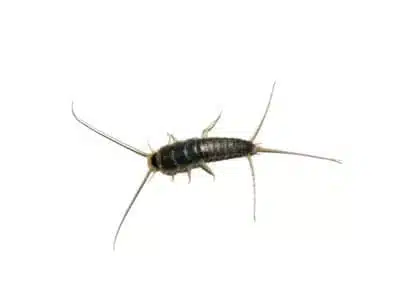
Silverfish are small, wingless insects that are easily recognisable by their distinctive appearance. They measure about 12-19 millimetres in length and have a flattened, elongated body covered with shiny, silver-grey scales. Their bodies taper towards the end, giving them a fish-like appearance, which is how they got their name.
Silverfish have long antennae and three tail-like appendages, called cerci, protruding from the rear of their bodies. These appendages are roughly as long as their bodies and contribute to their unique, bristly look. Their legs are short and adapted for quick, darting movements, which can make them difficult to catch.
Habitat
Silverfish prefer damp, dark environments, which is why they are commonly found in bathrooms, basements, kitchens, and laundry rooms. They thrive in areas with high humidity, usually between 75% and 95%, and temperatures ranging from 20°C to 27°C. In homes, they are often discovered in sinks, bathtubs, behind wallpaper, and in bookcases where they can find their preferred food sources.
In the UK, older buildings with poor ventilation and moisture control are particularly susceptible to silverfish infestations. These insects are also attracted to areas with paper products, fabrics, and food residues, making them common in libraries, storage rooms, and attics.
Behaviour
Silverfish are nocturnal and tend to remain hidden during the day, coming out at night to search for food. They are primarily scavengers, feeding on a variety of materials containing polysaccharides, such as starch and cellulose. This includes paper, book bindings, wallpaper paste, glue, textiles, and even some foods like flour and rolled oats.
One of the notable behaviours of silverfish is their ability to survive long periods without food. They can live for several months without eating, provided they have access to water. This resilience makes them particularly persistent pests.
Silverfish are also known for their rapid, darting movements, which they use to escape predators and avoid light. Their flattened bodies allow them to squeeze into tiny cracks and crevices, making them difficult to detect and eliminate. These insects are not social, meaning they do not live in colonies, but infestations can still become widespread if conditions are favourable.
Why are Silverfish considered a pest?
Silverfish are considered pests primarily due to the damage they cause to household items and their ability to thrive in human habitats. Their feeding habits can lead to significant destruction of books, wallpaper, clothing, and food products. This is particularly problematic in libraries, archives, and homes with extensive paper or fabric collections.
In addition to physical damage, silverfish can also contaminate food sources. They often invade pantries and kitchens, feeding on dry goods and leaving behind droppings, shed skins, and yellowish stains. This contamination can make food unfit for consumption and necessitate thorough cleaning and disposal of affected items.
Another reason silverfish are considered pests is their potential to cause allergic reactions. Their scales, shed skins, and droppings can contribute to indoor allergens, exacerbating symptoms in sensitive individuals. This is especially concerning for people with asthma or other respiratory conditions.
In the UK, silverfish infestations are often associated with moisture problems in older buildings. Our BPCA-accredited pest controllers frequently encounter these pests in homes and businesses with inadequate ventilation and high humidity levels. Effective control measures are essential to manage and prevent infestations.
Preventative Measures and Control
Preventing and controlling silverfish infestations requires a comprehensive approach. Here are some strategies that can help manage these pests effectively:
- Reduce Humidity: Since silverfish thrive in humid environments, reducing humidity levels in your home is crucial. Use dehumidifiers in damp areas such as basements and bathrooms. Ensure that your home is well-ventilated by using exhaust fans in kitchens and bathrooms, and opening windows when possible.
- Fix Leaks: Repair any leaking pipes, faucets, or drains to eliminate sources of moisture. Water damage can create ideal conditions for silverfish, so addressing these issues promptly is essential.
- Seal Cracks and Crevices: Silverfish can enter your home through tiny openings. Seal cracks and crevices in walls, floors, and around windows and doors. Pay special attention to areas where plumbing and electrical lines enter your home.
- Proper Storage: Store dry goods, such as cereals, flour, and pet food, in airtight containers to prevent silverfish from accessing them. Keep clothing and paper products in sealed bins or containers, especially in areas prone to moisture.
- Clean Regularly: Regular cleaning can help remove potential food sources and reduce the likelihood of a silverfish infestation. Vacuum frequently, especially in areas where silverfish are likely to hide, such as behind furniture and in corners.
- Remove Clutter: Clutter provides hiding places for silverfish and can trap moisture. Keep your home tidy and organized, particularly in storage areas like basements, attics, and closets.
- Use Insecticides: Insecticides can be an effective way to control silverfish populations. Apply them to areas where silverfish are commonly found, such as baseboards, behind appliances, and in closets. Always follow the manufacturer’s instructions and consider consulting a professional for safe and effective use.
- Professional Pest Control: Engage the services of a professional pest control company, such as Clark Pest Control., to conduct thorough inspections and apply targeted treatments. Our BPCA-accredited pest controllers have the expertise and tools needed to effectively manage and eliminate silverfish infestations.
- Monitor for Activity: Regularly inspect areas where silverfish are likely to be found. Use sticky traps to monitor for their presence and identify problem areas early. Early detection can prevent a small problem from becoming a large infestation.
- Environmental Modifications: Make changes to your home environment to make it less hospitable to silverfish. This might include installing better insulation, improving drainage around your home, and using moisture barriers in crawl spaces.
By implementing these strategies, you can significantly reduce the risk of silverfish infestations and maintain a healthy, pest-free environment.
Silverfish
Pest activity
Jan
Feb
Mar
Apr
May
Jun
Jul
Aug
Sep
Oct
Nov
Dec
Risks
Infestation
Public Health
Property Damage
Escalation (left untreated)
Book a FREE Survey
Call us on 0800 808 5615