Oriental Cockroach
(Blatta orientalis)
Appearance
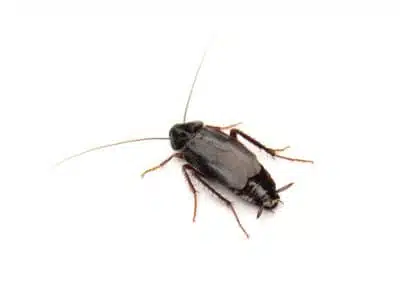
The Oriental cockroach, also known as the waterbug or black beetle, is a large and distinctive species. Adults typically measure between 20 to 25 millimetres in length. They have a shiny, dark brown to black coloration, which sets them apart from other common cockroach species. Unlike the German cockroach, Oriental cockroaches have a more robust and rounded body shape.
Oriental cockroaches have long, slender antennae and relatively small wings. In males, the wings cover about three-quarters of their abdomen, whereas females have only small wing stubs and are unable to fly. Despite having wings, even the males rarely fly, preferring instead to scuttle along surfaces.
The nymphs, or immature cockroaches, are similar in appearance to adults but are smaller and lack wings. They undergo several moults as they grow, gradually developing the characteristic dark colouration and body shape of the adults. The nymph stage can last several months, depending on environmental conditions, particularly temperature and humidity.
One notable feature of Oriental cockroaches is their thick, leathery exoskeleton. This provides them with some protection from predators and environmental hazards, but it also makes them more resilient to some pest control measures. Their legs are strong and adapted for running, with spines that help them grip and move quickly over various surfaces.
Habitat
Oriental cockroaches thrive in cool, damp environments, which is why they are often found in basements, cellars, and crawl spaces. They are also common outdoors, particularly in areas with decaying organic matter such as leaf litter, rubbish bins, and sewer systems. Their
Oriental cockroaches are frequently found in older buildings with poor drainage or moisture issues. They can enter homes and businesses through gaps under doors, around pipes, and through vents. Once inside, they seek out moist, dark areas to hide and breed.
These cockroaches are particularly attracted to areas with standing water or high humidity. This includes bathrooms, kitchens, laundry rooms, and any location with leaking pipes or damp conditions. They are also known to inhabit drains and sewers, emerging at night to forage for food.
The ability of Oriental cockroaches to survive in harsh conditions is remarkable. They can withstand colder temperatures than many other cockroach species, which is why they are often found in basements and other cool areas. However, they cannot survive in extremely dry environments for long periods, as they rely on moisture to stay hydrated.
Behaviour
Oriental cockroaches are nocturnal insects, preferring to remain hidden during the day and emerging at night to search for food. They are omnivorous scavengers and will feed on a wide variety of organic materials, including decaying plant matter, garbage, and leftover food. Their diet is less restrictive than that of some other cockroach species, which contributes to their ability to thrive in various environments.
One notable aspect of their behaviour is their relatively slow movement compared to other cockroach species. They are not as quick or agile as German cockroaches, which makes them easier to spot and catch. However, their preference for damp, hidden areas can make them challenging to eradicate completely.
Oriental cockroaches are also known for their strong, unpleasant odour. This odour is produced by chemicals called cuticular hydrocarbons, which are used for communication among individuals of the same species. Unfortunately, this smell can be quite noticeable when there is a large infestation.
These cockroaches are less social than some other species, tending to live in smaller groups. However, they can still form large infestations if conditions are favourable. Their reproductive rate is slower than that of German cockroaches, with females producing fewer egg cases over their lifetime. Each egg case, or ootheca, contains around 16 eggs, which hatch into nymphs after about two months.
Oriental cockroaches are resilient and can go for long periods without food, although they do need a consistent source of moisture. This makes them particularly difficult to control in environments where water is readily available. They are also known to be resistant to some pesticides, requiring targeted and persistent pest control efforts to manage infestations effectively.
Why are Oriental Cockroaches considered a pest?
Oriental cockroaches are considered pests for several reasons. Firstly, they are known to spread a variety of harmful pathogens. As they crawl through unsanitary areas such as sewers and rubbish bins, they pick up bacteria and viruses on their bodies. These pathogens can then be transferred to food and surfaces within homes and businesses, posing a risk of foodborne illnesses.
In addition to spreading disease, Oriental cockroaches can cause significant contamination. Their droppings, shed skins, and saliva can contaminate food, utensils, and surfaces, leading to health hazards and the need for thorough cleaning. This is particularly problematic in food preparation and storage areas, where hygiene is paramount.
The presence of Oriental cockroaches can also lead to structural damage in some cases. These cockroaches are known to chew on a variety of materials, including paper, fabric, and even soft plastics. Over time, this behaviour can lead to damage to household items, books, and important documents.
Furthermore, Oriental cockroaches can trigger allergic reactions in some individuals. The allergens present in their droppings, shed skins, and saliva can cause respiratory issues, skin irritation, and other allergic symptoms. This is especially concerning for people with asthma or other respiratory conditions.
Our BPCA-accredited pest controllers are experienced in dealing with these pests, using a combination of thorough inspections, targeted treatments, and preventative measures to manage and eliminate infestations.
Oriental Cockroach
Pest activity
Jan
Feb
Mar
Apr
May
Jun
Jul
Aug
Sep
Oct
Nov
Dec
Risks
Infestation
Public Health
Property Damage
Escalation (left untreated)
Book a FREE Survey
Call us on 0800 808 5615