House Mouse
(Mus domesticus)
Appearance
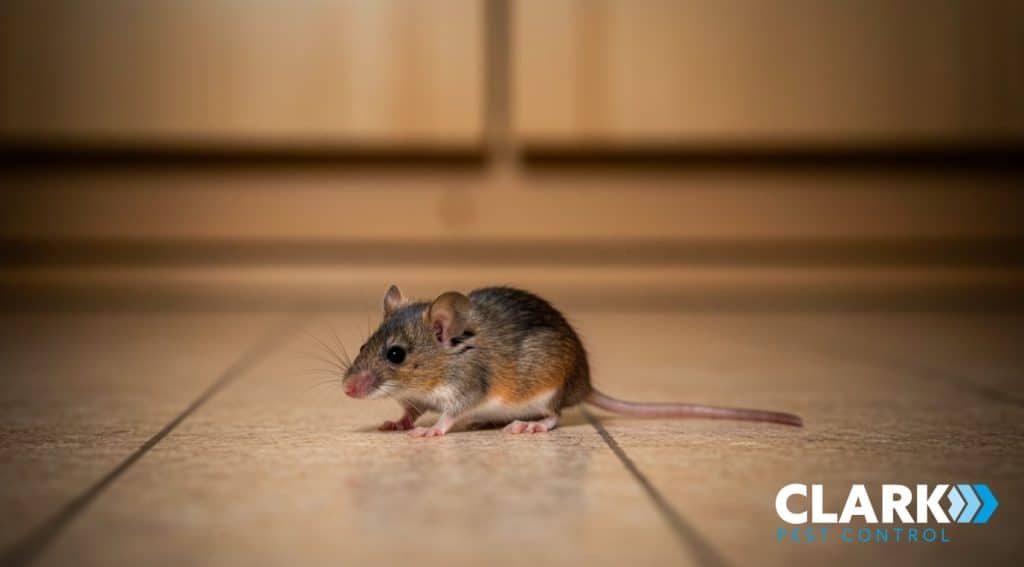
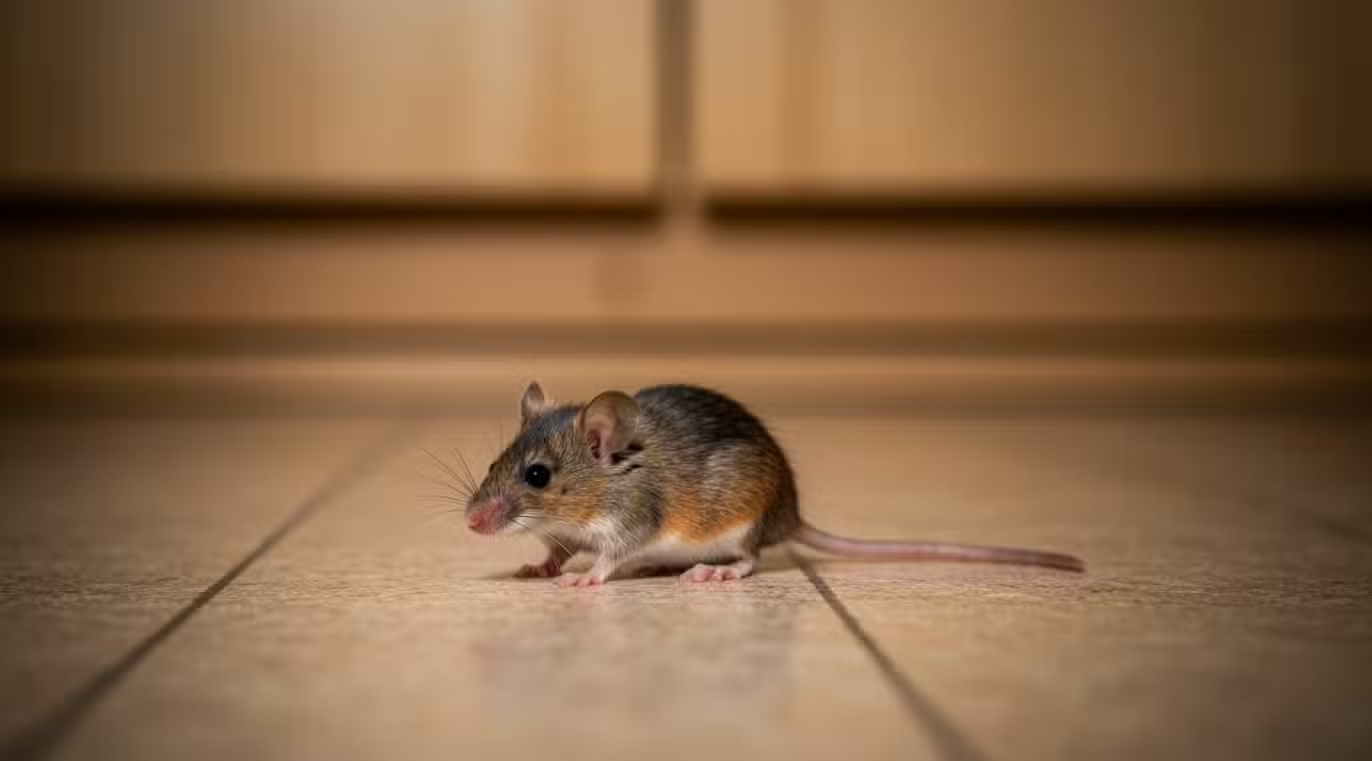
The house mouse, Mus domesticus, is a small rodent characterised by a slender body and a pointed snout. These mice typically measure about 7 to 10 centimetres in length, not including their tail, which adds an additional 5 to 10 centimetres. They generally weigh between 12 to 30 grams. Their fur is usually light brown to grey, with a lighter underside. House mice have large ears, pointed noses, and small, beady eyes that give them excellent night vision, which is crucial for their nocturnal lifestyle.
Habitat
House mice are highly adaptable and can thrive in a variety of environments. They are commonly found in human habitats such as homes, warehouses, and commercial buildings. House mice prefer warm areas close to food sources, making kitchens, pantries, and basements ideal nesting sites. They build nests out of soft materials like paper, cloth, and insulation. In the wild, house mice can be found in fields and grassy areas, where they dig burrows to create their nests.
House mice are frequently found in both residential and commercial buildings. They can enter buildings through very small openings and are known for their ability to climb and jump, which helps them navigate human structures.
Behaviour
House mice are nocturnal and very active, especially during the night. They are excellent climbers and can squeeze through openings as small as 6 millimetres, making it easy for them to enter buildings. Their diet is omnivorous, though they prefer grains and cereals. House mice will also eat fruits, seeds, and insects when available. In human habitats, they often feed on stored food products, making them a common pest in kitchens and food storage areas.
House mice are known for their rapid breeding. A female can produce 5 to 10 litters per year, with each litter consisting of 3 to 14 young. The gestation period is about 19 to 21 days, and the young are weaned at about three weeks old. This rapid reproduction can lead to large populations in a short period. Under ideal conditions, a single pair of mice can produce as many as 2,000 offspring in a year.
These mice are curious and will explore new environments thoroughly. They communicate with each other using ultrasonic sounds, which are inaudible to humans. They also leave behind droppings, which are small, dark, and rod-shaped, and can be found near food sources and nesting sites. House mice also mark their territory with urine, which can produce a distinctive musky odour.
House Mice in the UK
In the UK, house mice are commonly found in urban areas where food and shelter are abundant. They often invade homes, particularly during the colder months, seeking warmth and food. Once inside, they can be found in kitchens, lofts, basements, and other areas where food is stored or where there is clutter that provides hiding places.
The presence of house mice can be detected through several signs, including:
- Droppings: House mice leave behind small, dark droppings, which are typically found near food sources, in drawers, cupboards, and along skirting boards.
- Gnaw Marks: Mice gnaw on a variety of materials, including wood, plastic, and electrical wiring, which can create a fire hazard.
- Nests: House mice build nests from soft materials such as paper, fabric, and insulation. These nests are often found in hidden areas like wall cavities, attics, and behind appliances.
- Footprints and Tail Marks: In dusty areas, you might notice small footprints and tail marks.
- Scratching Noises: Mice are often heard scurrying and scratching, especially at night.
Effective management of house mice involves a combination of exclusion techniques, sanitation, and trapping. Preventing access to food is crucial, which can be achieved by storing food in sealed containers and cleaning up crumbs and spills promptly. Sealing entry points with materials such as steel wool or caulk can help prevent mice from entering buildings.
Trapping is another effective method for controlling house mice populations. Snap traps and live traps are commonly used. It is important to place traps in areas where mice are active, such as along walls and near nesting sites. For larger infestations, professional pest control services may be necessary. These professionals use a combination of methods, including baiting and trapping, to effectively manage and eliminate house mouse populations.
Legal Considerations
In the UK, house mice are not protected by wildlife conservation laws, and control measures can be implemented as needed to manage their populations. However, it is important to use humane methods for trapping and to follow guidelines for the safe and legal use of rodenticides. Using rodenticides should be done with caution to prevent accidental poisoning of non-target animals and pets. It is advisable to work with BPCA-accredited pest controllers who can provide effective and humane solutions tailored to the specific challenges posed by house mice.
Health Risks
House mice can pose several health risks to humans. They are known carriers of various diseases, including salmonellosis, hantavirus, and leptospirosis. These diseases can be transmitted through contact with mouse droppings, urine, or saliva, as well as through contaminated food and surfaces. Additionally, mice can bring fleas, mites, and ticks into homes, which can further spread disease.
To mitigate these health risks, it is important to maintain good hygiene practices, such as regularly cleaning areas where mice have been active and using disinfectants to clean surfaces contaminated by mouse droppings and urine. It is also crucial to address infestations promptly to prevent the spread of disease and to protect the health of residents.
Read more about how to get rid of mice.
House Mouse
Pest activity
Jan
Feb
Mar
Apr
May
Jun
Jul
Aug
Sep
Oct
Nov
Dec
Risks
Infestation
Public Health
Property Damage
Escalation (left untreated)
Book a FREE Survey
Call us on 0800 808 5615