Grey Squirrels
(Sciurus carolinensis)
Appearance
Grey squirrels are medium-sized tree squirrels, measuring about 23 to 30 centimetres in body length with a tail adding another 19 to 25 centimetres. They typically weigh between 400 and 600 grams. Their fur is predominantly grey, with some individuals exhibiting brownish patches, especially on their face and legs. They have a distinctive bushy tail, which helps them balance when navigating tree branches. Their underparts are usually white or light grey. Unlike the native red squirrel, grey squirrels do not have ear tufts.
Habitat
Grey squirrels are highly adaptable and thrive in a variety of habitats, including deciduous and mixed woodlands, urban parks, gardens, and suburban areas. They are particularly common in areas where there are abundant food sources such as acorns, nuts, and seeds. Grey squirrels build nests, known as dreys, in tree forks or hollows. These nests are constructed from twigs and leaves, often lined with moss, bark, and grass for insulation.
In urban environments across the UK, grey squirrels are frequently seen in parks, gardens, and along tree-lined streets. They are adept at exploiting human environments for food and shelter, often raiding bird feeders and rubbish bins.
Behaviour
Grey squirrels are diurnal, being most active during the early morning and late afternoon. They are known for their acrobatic skills, climbing trees and leaping from branch to branch with ease. Their diet is varied and omnivorous, primarily consisting of nuts, seeds, fruits, fungi, and occasionally bird eggs and nestlings.
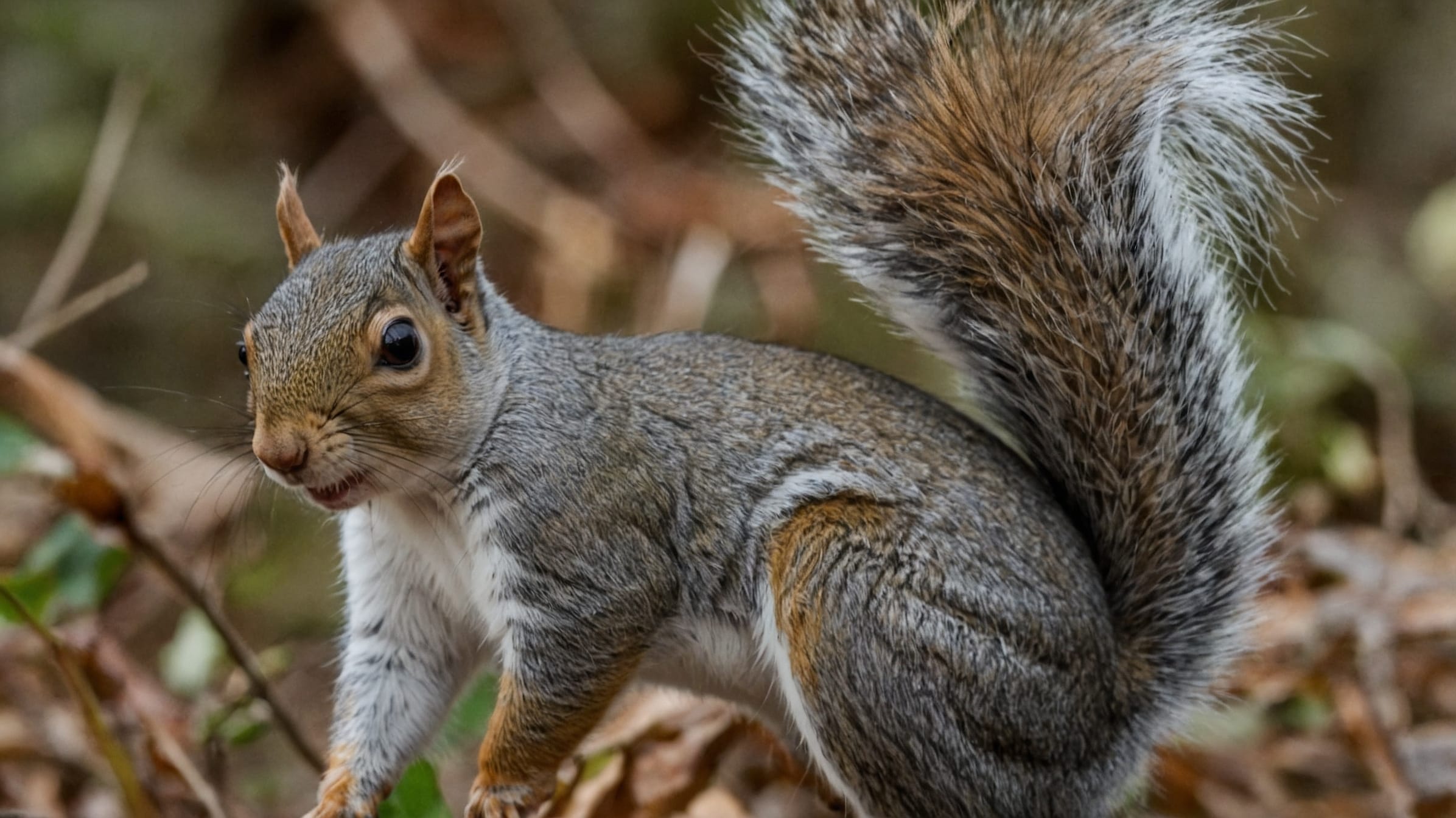
These squirrels are known to bury surplus food to store for the winter months, a behaviour known as caching. They have an excellent memory and sense of smell, which helps them locate these buried caches later on. Grey squirrels breed twice a year, typically in late winter and early summer. A female may have two to four young per litter, which are born blind and hairless. The young are weaned after about ten weeks but may stay with the mother for several more weeks before becoming independent.
Grey Squirrels in the UK
In the UK, grey squirrels are a common sight in many of the city’s green spaces. Their adaptability allows them to thrive in both urban and suburban environments. They are often observed foraging for food, raiding bird feeders, and nesting in attics or lofts if they can gain access.
The presence of grey squirrels in urban areas can lead to several issues, including:
- Damage to Trees: Grey squirrels strip the bark from trees to access the nutritious sap beneath. This behaviour can damage young trees and reduce their growth, and in severe cases, can even kill the trees.
- Garden Damage: Grey squirrels dig up bulbs and plants in gardens while burying and retrieving their food caches. They can also damage bird feeders and other garden fixtures.
- Nest Raiding: Grey squirrels are known to raid bird nests, eating eggs and young birds. This behaviour can negatively impact local bird populations.
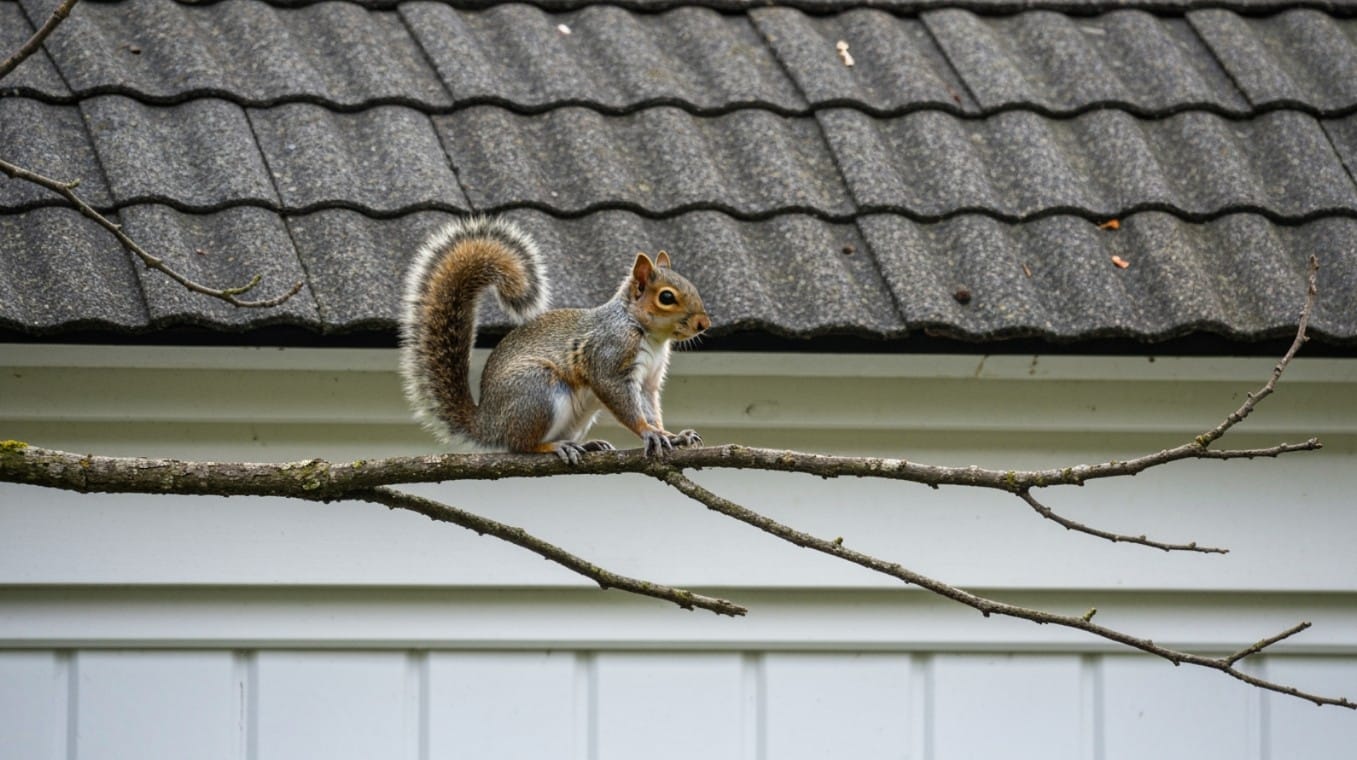
- Structural Damage: When grey squirrels enter buildings, they can cause significant damage. They chew on wooden structures, insulation, and electrical wiring, posing a fire hazard.
Legal Considerations
In the UK, grey squirrels are considered an invasive species and are not protected by law. In fact, under the Wildlife and Countryside Act 1981, it is illegal to release a captured grey squirrel back into the wild. This regulation is intended to help control their population and mitigate their impact on native wildlife, particularly the red squirrel, which has been severely affected by the spread of grey squirrels.
Health Risks
Grey squirrels can carry diseases that pose risks to humans and pets, such as leptospirosis and salmonella. They are also known carriers of the squirrelpox virus, which is harmless to grey squirrels but often fatal to red squirrels. Their tendency to gnaw on structures and wiring can also create indirect health and safety risks within homes and buildings.
Management and Control
Effective management of grey squirrels involves a combination of strategies, including habitat modification, exclusion techniques, and trapping. Here are some recommended methods:
- Habitat Modification: Reducing access to food sources can help deter grey squirrels. This includes using squirrel-proof bird feeders and securely storing rubbish and compost. Removing or trimming trees and branches that provide easy access to buildings can also help.
- Exclusion: Sealing entry points to buildings is crucial to prevent squirrels from entering attics and lofts. This can be done using wire mesh, metal flashing, and other durable materials.
- Trapping: Live traps can be used to capture grey squirrels. It is important to check traps regularly and follow legal guidelines for humane dispatch. In the UK, captured grey squirrels cannot be released back into the wild and must be humanely euthanised.
Professional pest control services are often necessary for managing larger infestations. BPCA-accredited pest controllers can provide effective and humane solutions tailored to the specific challenges posed by grey squirrels.
Read more about how to get rid of squirrels.
Grey Squirrels
Pest activity
Jan
Feb
Mar
Apr
May
Jun
Jul
Aug
Sep
Oct
Nov
Dec
Risks
Infestation
Public Health
Property Damage
Escalation (left untreated)
Book a FREE Survey
Call us on 0800 808 5615