German Cockroach
(Blattella germanica)
Appearance
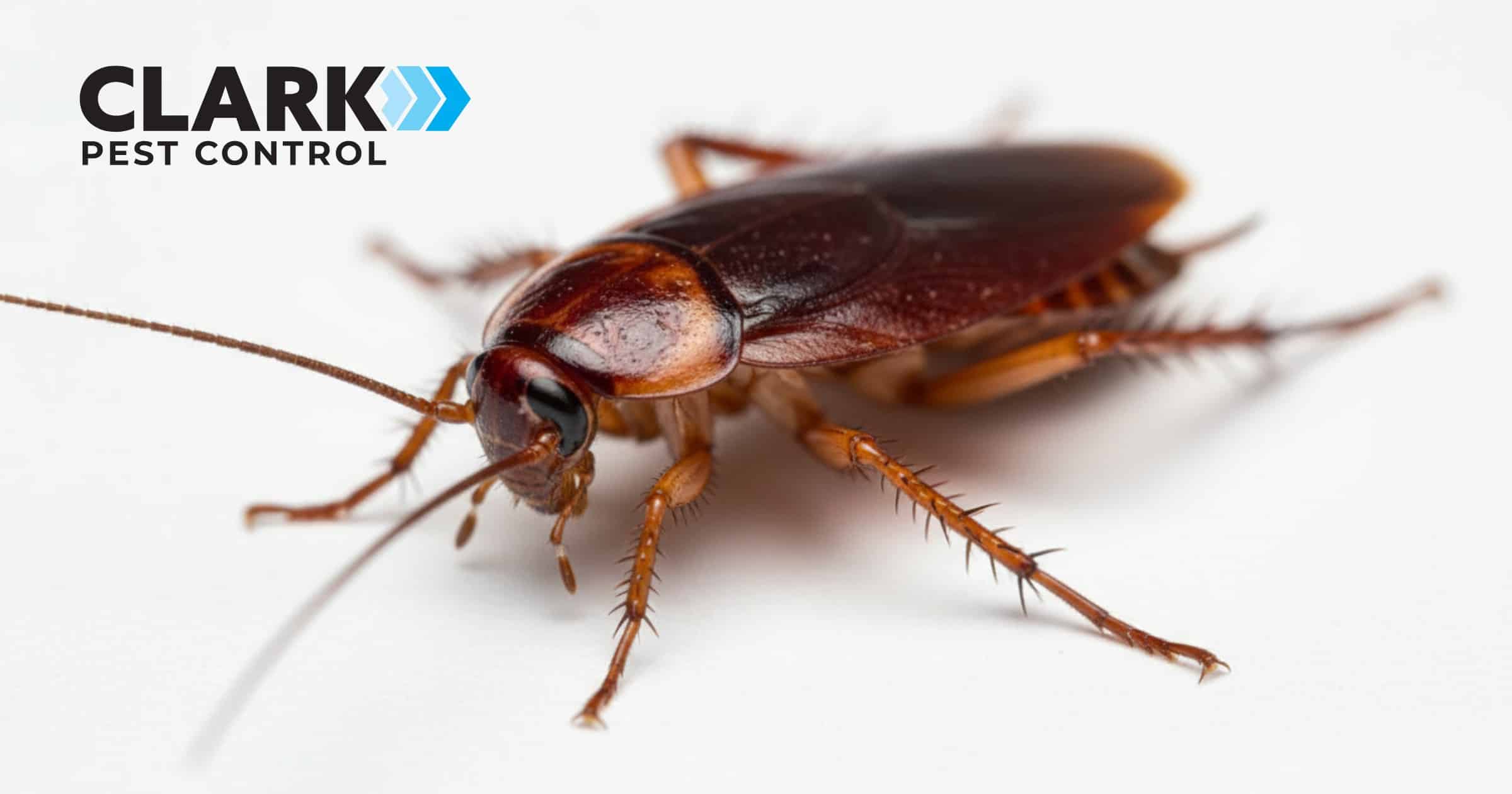
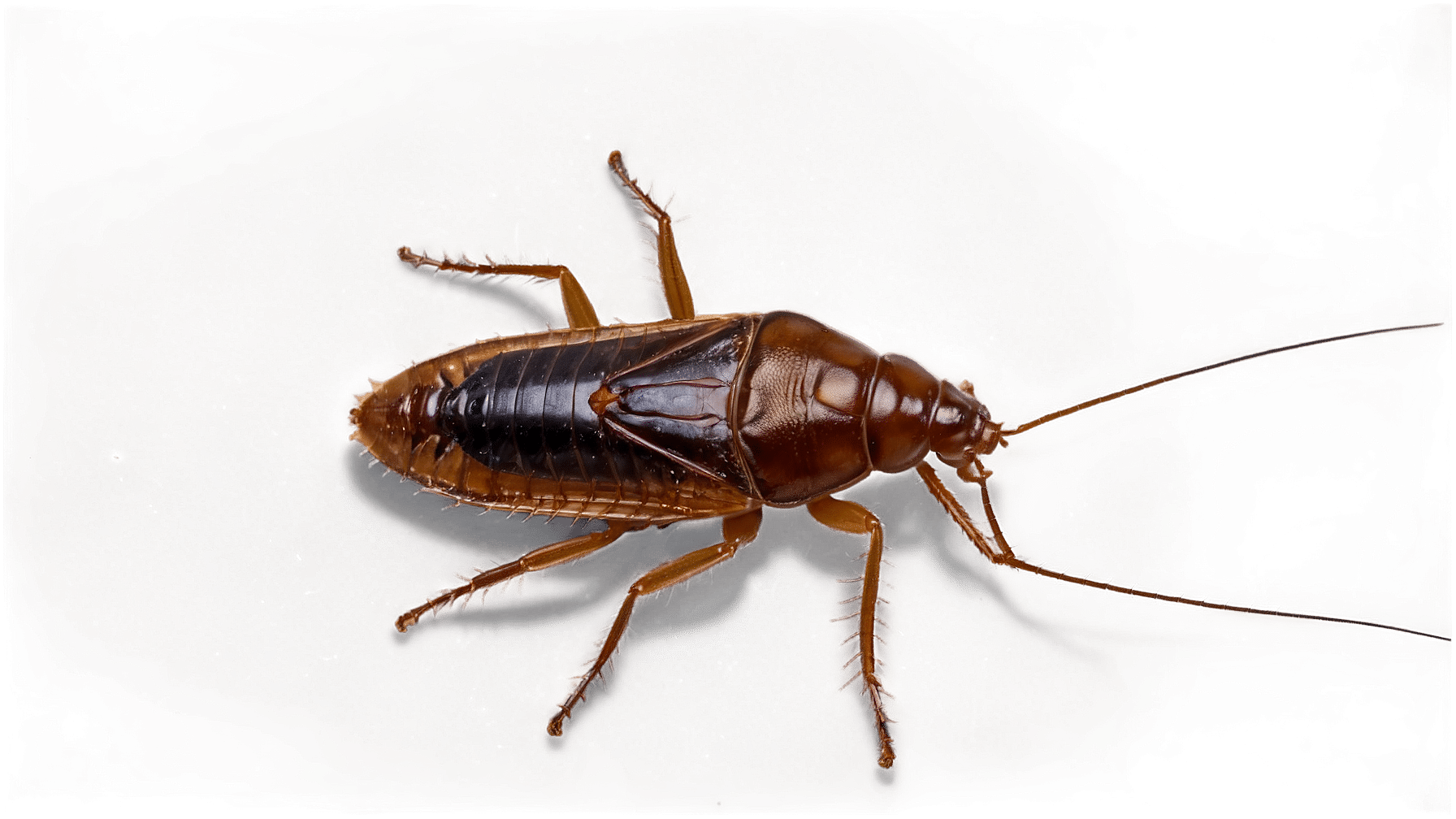
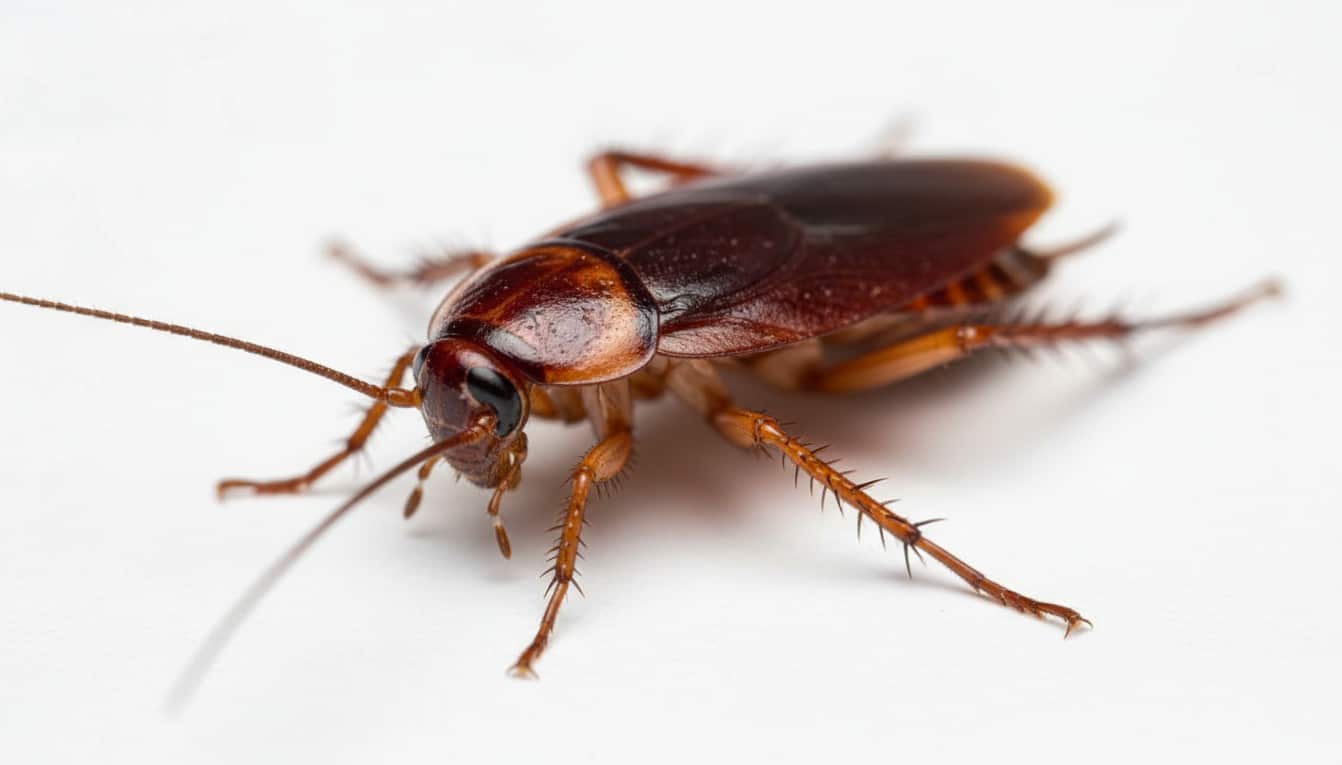
The German cockroach is one of the most common and widespread cockroach species found in urban environments. These insects are relatively small, measuring about 13-16 millimetres in length. Their bodies are light brown to tan, with two distinctive dark stripes running lengthwise down the pronotum (the shield-like structure behind their head). These stripes help to easily identify them from other cockroach species.
German cockroaches have long antennae and are equipped with wings, although they rarely fly. Instead, they prefer to scuttle quickly along surfaces. Their bodies are flat and oval-shaped, allowing them to squeeze into tiny cracks and crevices, which makes them particularly adept at hiding.
The nymphs, or immature cockroaches, are smaller versions of the adults and lack wings. They are darker in colour, almost black, with the same distinctive stripes on their pronotum. Nymphs undergo several moults before reaching adulthood, gradually developing their characteristic colour and wing structures.
Habitat
German cockroaches thrive in warm, humid environments, which is why they are commonly found in human dwellings. They prefer areas that provide easy access to food and water, such as kitchens and bathrooms. In commercial settings, they are frequently found in restaurants, food processing facilities, and grocery stores.
These cockroaches are incredibly adept at hiding and can be found behind appliances, inside cupboards, under sinks, and within wall cavities. Their small size and ability to reproduce quickly make them particularly troublesome pests. In the UK, we often find German cockroaches in older buildings and densely populated areas where sanitation issues may be more prevalent.
German cockroaches are highly adaptable and can survive in a variety of environments, provided there is a suitable food source and adequate humidity. They are often transported inadvertently in bags, boxes, and other containers, which contributes to their widespread presence in urban areas.
Behaviour
German cockroaches are nocturnal insects, meaning they are most active during the night. During the day, they hide in dark, moist areas to avoid detection. When they do come out at night, they search for food and water. Their diet is highly varied; they will consume almost anything organic, including crumbs, grease, garbage, and even pet food.
One of the key reasons German cockroaches are so successful as pests is their rapid reproduction rate. A single female can produce up to 40 eggs at a time, and she can produce multiple egg cases throughout her lifetime. The eggs hatch in about 28 days, and the nymphs (juvenile cockroaches) reach adulthood in just a few months. This means that populations can explode very quickly if not controlled.
German cockroaches are also known for their ability to spread pathogens. They crawl through unsanitary areas such as sewers and garbage bins, picking up bacteria and other harmful organisms on their bodies. When they move into homes and businesses, they can contaminate surfaces and food with these pathogens, leading to potential health risks.
Another behavioural trait of German cockroaches is their tendency to aggregate in large numbers. They release pheromones that attract other cockroaches, leading to significant infestations in a relatively short period. Their preference for humid environments means that infestations are often centred around sources of moisture, such as kitchens and bathrooms.
Why are German Cockroaches considered a pest?
German cockroaches are considered pests for several compelling reasons. First and foremost, they pose significant health risks. These cockroaches are known to spread various diseases, including salmonella, E. coli, and other bacteria that can cause food poisoning. They can also trigger allergies and asthma in sensitive individuals, particularly due to the allergens present in their droppings, shed skins, and saliva.
The presence of German cockroaches can lead to serious contamination issues in homes and businesses. They are often found in kitchens and food storage areas, where they can contaminate food and utensils. This is particularly concerning in commercial food establishments, where strict hygiene standards are necessary to prevent foodborne illnesses.
German cockroaches are also a nuisance due to their rapid reproduction rate. A small infestation can quickly become a large one, making them difficult to control without professional intervention. Their ability to hide in tiny crevices and their nocturnal habits make them hard to detect until the infestation is well established.
In addition to health risks and contamination, German cockroaches can cause significant distress and inconvenience. Their presence in a home or business can be alarming and unpleasant, leading to a strong need for immediate and effective pest control measures. In the UK, our BPCA-accredited pest controllers are well-versed in dealing with German cockroach infestations, using a combination of thorough inspections, targeted treatments, and preventative measures to manage and eliminate these pests.
Preventative Measures and Control
Preventing and controlling German cockroach infestations requires a comprehensive approach. Here are some strategies that can help manage these pests effectively:
- Sanitation: Maintaining a high level of cleanliness is crucial. Regularly clean kitchens, bathrooms, and other areas where food and moisture are present. Remove any food debris, clean spills immediately, and store food in sealed containers. Ensure that garbage bins are tightly sealed and emptied regularly.
- Moisture Control: Fix any leaking pipes, faucets, or drains to reduce moisture levels. Use dehumidifiers in damp areas such as basements and bathrooms. Ensure that ventilation systems are functioning properly to reduce humidity and prevent moisture buildup.
- Exclusion: Seal cracks and crevices around doors, windows, and foundations to prevent cockroaches from entering the building. Install door sweeps and use weather stripping to close gaps. Regularly inspect and maintain these seals to ensure they remain effective.
- Monitoring: Regularly inspect areas where cockroaches are likely to hide, such as under sinks, behind appliances, and in cupboards. Use sticky traps to monitor for cockroach activity and identify problem areas. Early detection is key to preventing large infestations.
- Professional Pest Control: Engage the services of a professional pest control company, such as Clark Pest Control., to conduct thorough inspections and apply targeted treatments. Our BPCA-accredited pest controllers have the expertise and tools needed to effectively manage and eliminate German cockroach infestations.
- Integrated Pest Management (IPM): Implementing an IPM approach can help manage cockroach populations in a sustainable and effective manner. This involves a combination of biological, physical, and chemical control methods, as well as ongoing monitoring and preventive measures.
- Education and Awareness: Educate residents and employees about the importance of cleanliness and proper waste management to prevent cockroach infestations. Encourage prompt reporting of any signs of cockroach activity to address issues early.
- Environmental Modifications: Make changes to the environment to make it less hospitable to cockroaches. This can include reducing clutter, improving ventilation, and ensuring that food and water sources are not easily accessible to pests.
By implementing these strategies, you can significantly reduce the risk of German cockroach infestations and maintain a healthy, pest-free environment.
German Cockroach
Pest activity
Jan
Feb
Mar
Apr
May
Jun
Jul
Aug
Sep
Oct
Nov
Dec
Risks
Infestation
Public Health
Property Damage
Escalation (left untreated)
Book a FREE Survey
Call us on 0800 808 5615