Bedbugs
(Cimex lectularis)
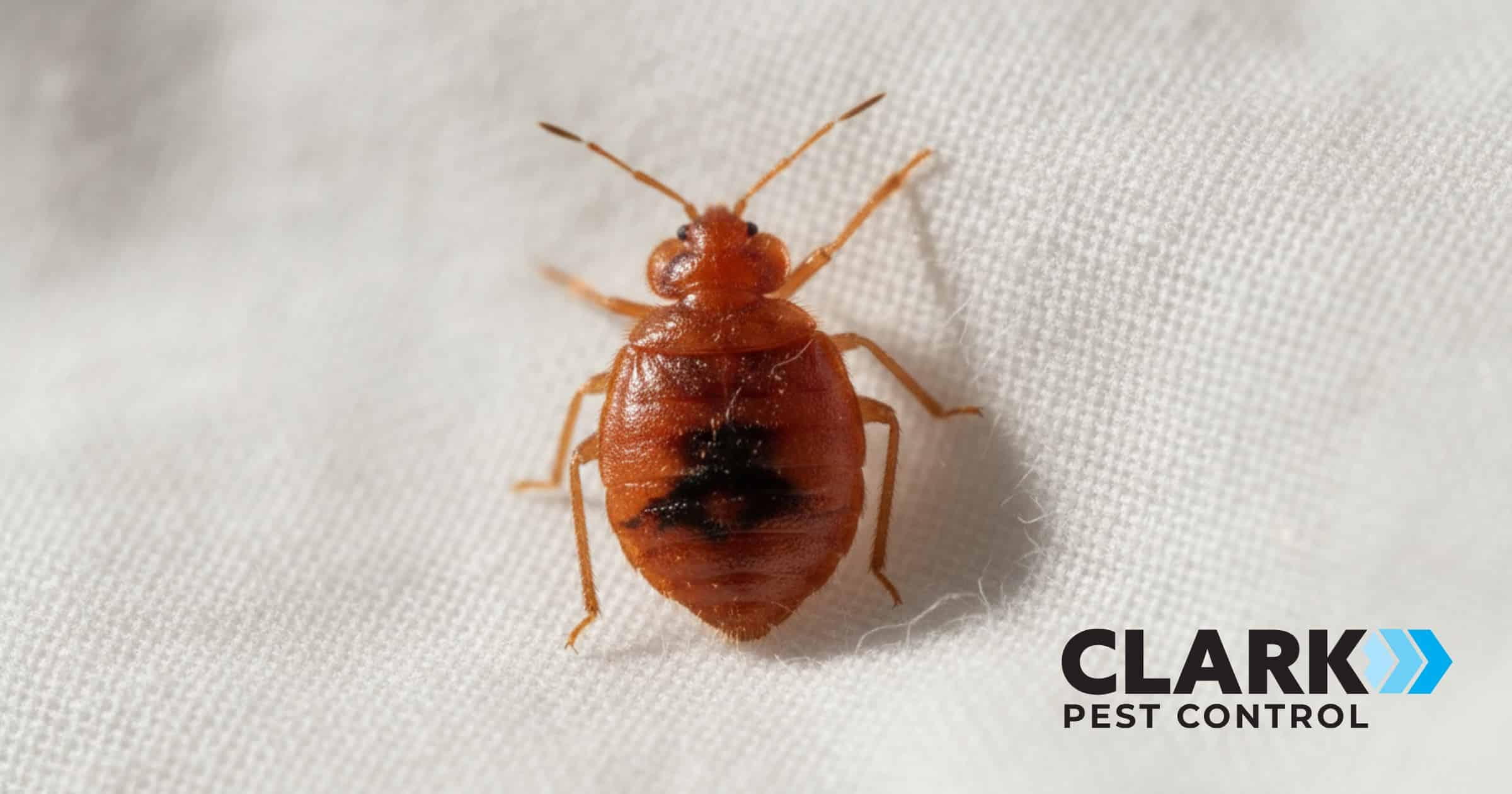
Appearance
Bedbugs are small, reddish-brown insects that feed on the blood of humans and animals. Adult bedbugs measure about 5 to 7 millimetres long, roughly the size of an apple seed. They have flat, oval bodies that become swollen and redder after feeding. Bedbugs possess six legs, antennae, and no wings. Their flattened bodies enable them to hide in small cracks and crevices during the day.
Habitat
Bedbugs are typically found in areas where people sleep, such as beds, mattresses, and bed frames. However, they can also hide in furniture, cracks in walls, floorboards, and behind picture frames. They are most active at night when they come out to feed. Bedbugs are hitchhikers and can spread through luggage, clothing, used furniture, and other personal belongings.
In the UK, bedbugs can be found in homes, hotels, hostels, and other places where people sleep. They are particularly problematic in multi-occupancy buildings where infestations can spread quickly between units.
Behaviour
Bedbugs are nocturnal and come out at night to feed on the blood of their sleeping hosts. They are attracted to the carbon dioxide and body heat that humans emit. Bedbugs inject a small amount of saliva into the skin, which contains an anticoagulant to keep the blood flowing. Bites usually appear as red, itchy welts on the skin.
The life cycle of bedbugs includes the egg, nymph, and adult stages. Female bedbugs can lay hundreds of eggs in their lifetime, which hatch into nymphs within about a week. Nymphs go through five molts before reaching adulthood, needing a blood meal before each molt. Bedbugs can survive several months without feeding, making them resilient pests.
Bedbugs in the UK
In the UK, bedbugs can be a significant problem in homes, hotels, and hostels. Their presence can cause discomfort and anxiety for residents and guests. Detecting bedbugs early is crucial to prevent infestations from spreading.
Signs of bedbug infestations include:
- Bite Marks: Red, itchy welts on the skin, often in a line or cluster.
- Blood Stains: Small bloodstains on sheets and mattresses from crushed bedbugs.
- Fecal Spots: Dark spots on bedding, mattresses, and walls, which are bedbug excrement.
- Eggs and Shed Skins: Tiny white eggs and shed skins from molting nymphs.
- Musty Odour: An unexplainable musty smell in the infested area.
Legal Considerations
In the UK, there are no specific laws protecting bedbugs, but landlords have a duty to ensure their properties are habitable, which includes being free from pest infestations. Tenants should report bedbug infestations to their landlords promptly. Hotels and other accommodation providers must maintain hygiene standards to prevent bedbug infestations.
Health Risks
While bedbugs are not known to transmit diseases, their bites can cause significant discomfort and allergic reactions in some individuals. Persistent scratching of bites can lead to secondary infections. The psychological impact of bedbug infestations can also be significant, causing stress, anxiety, and sleep disturbances.
Management and Control
Effective management of bedbugs involves a combination of methods to eliminate the pests and prevent reinfestation. Here are some recommended strategies:
- Inspection: Thoroughly inspect sleeping areas, including mattresses, bed frames, and nearby furniture. Look for signs of bedbugs, such as live insects, fecal spots, and shed skins.
- Cleaning: Wash and dry bedding, clothing, and other infested items on high heat. Vacuum mattresses, bed frames, and surrounding areas to remove bedbugs and eggs. Dispose of the vacuum bag or empty the canister immediately after use.
- Encasements: Use bedbug-proof mattress and pillow encasements to trap bedbugs and prevent them from hiding in mattresses.
- Professional Treatment: In severe infestations, professional pest control services are necessary. BPCA-accredited pest controllers can provide effective treatments, including insecticides and heat treatments, to eliminate bedbugs.
- Preventative Measures: Regularly inspect and clean sleeping areas, especially after travel.
Bedbug Prevention Tips
- Routine Cleaning: Regularly vacuum your home, especially areas where you sleep. This helps remove bedbugs and their eggs from carpets, furniture, and bedding.
- Washing Bedding: Wash your bedding in hot water weekly to kill any bedbugs, eggs, or larvae that might be present.
- Inspect Second-Hand Furniture: Thoroughly inspect second-hand furniture before bringing it into your home to ensure it is not infested with bedbugs.
- Avoid Clutter: Keep bedrooms and sleeping areas clutter-free to reduce potential hiding spots for bedbugs.
- Be Cautious When Travelling: Inspect hotel rooms and other accommodation for signs of bedbugs before settling in. Keep luggage off the floor and beds, and check your luggage before bringing it back home.
Integrated Pest Management (IPM)
Integrated Pest Management (IPM) is a comprehensive approach to controlling bedbug infestations that combines multiple methods for maximum effectiveness. IPM focuses on long-term prevention and management by addressing the underlying causes of infestations and using a combination of biological, physical, and chemical controls. Here are some key components of an IPM approach for bedbug control:
- Biological Control: Introducing natural predators of bedbugs, such as certain species of beetles, can help reduce bedbug populations.
- Physical Control: Use bedbug-proof mattress encasements to trap bedbugs and prevent them from hiding in mattresses. Regularly vacuum and clean sleeping areas to remove bedbugs and their eggs.
- Chemical Control: Use approved insecticides and insect growth regulators (IGRs) to target bedbugs at various life stages. Follow label instructions carefully and consider consulting with a pest control professional for advice on the best products to use.
- Environmental Management: Maintain a clean and tidy home to reduce the potential habitats for bedbugs. This includes regular vacuuming, washing bedding, and keeping sleeping areas free of clutter.
By combining these methods, you can effectively manage and control bedbug populations in your home and ensure a healthier living environment.
Bedbugs
Pest activity
Jan
Feb
Mar
Apr
May
Jun
Jul
Aug
Sep
Oct
Nov
Dec
Risks
Infestation
Public Health
Property Damage
Escalation (left untreated)

Book a FREE Survey
Call us on 0800 808 5615