
How to Get Rid of Ants
Seeing an ant scuttling across your patio or kitchen floor is a common occurrence in the summer months.
If this is happening regularly however, it could be the sign of something more sinister and you may be dealing with an ant infestation.
Most ants will stay in the countryside and mind their own business but the few species which do venture close to humans can cause painful bites, carry diseases, and even do structural damage to your property.
This simple guide will tell you all you need to know about identifying ants, explain some of the best DIY prevention methods and help you decide when it’s time to call a professional pest control expert for help.
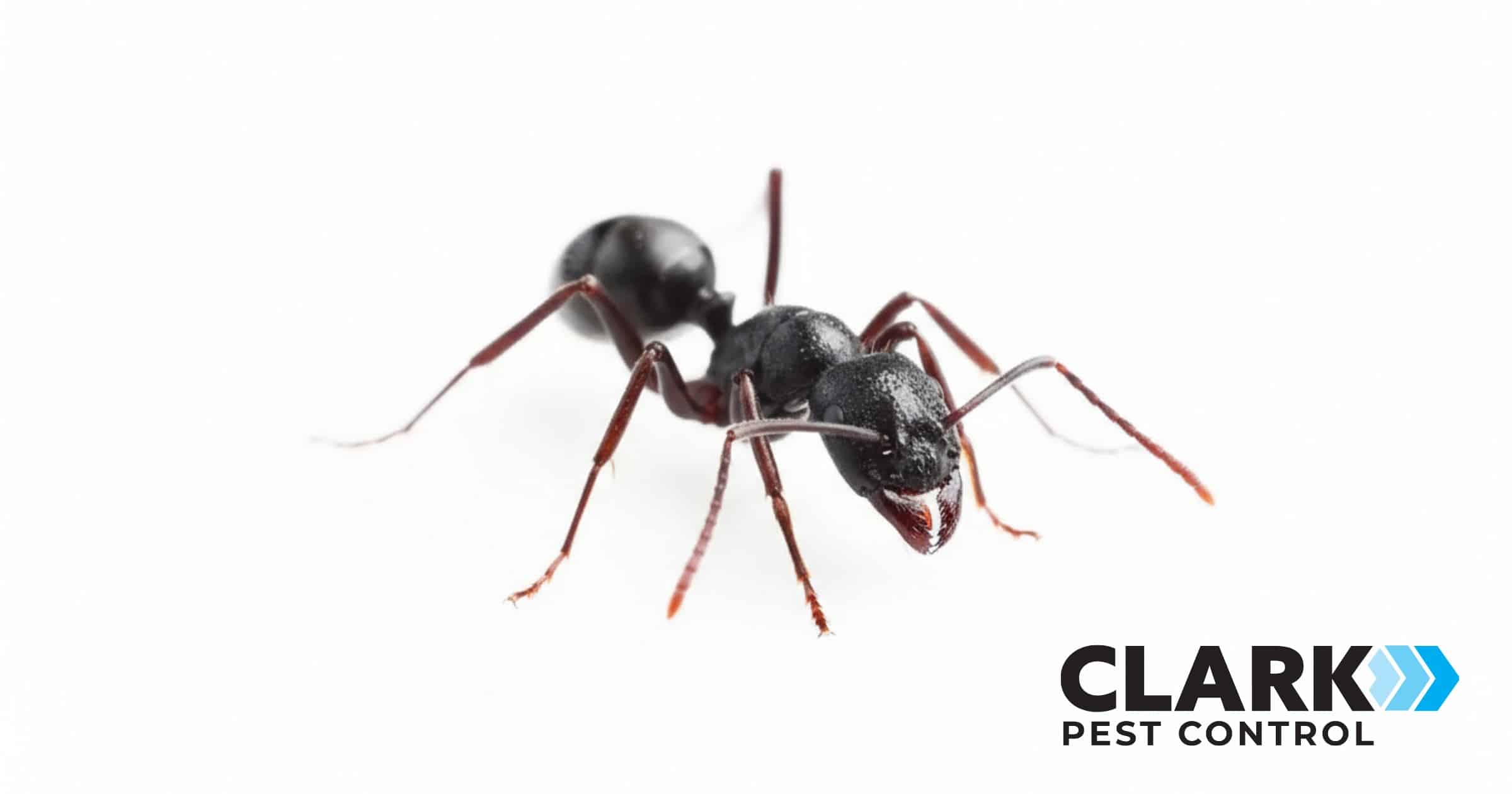
What do ants look like?
Before you take steps to tackle an ant infestation you need to identify what species of ant you are dealing with. You also need to check that it definitely is ants that are causing you concern as other insect infestations would require different solutions.
Common Ant Species
There are thousands of ant species across the globe, but only around 50 commonly live in the UK.
Only a few of these species are likely to cause you serious problems if found on your property.
These are the ant species most commonly found near humans in the UK, and how to identify them:
Black Garden Ant (Lasius Niger)
One of the most common species in the UK black garden with ant colonies known to grow extremely large, with as many as 40,000 worker ants.
As the name suggests these insects are a glossy black colour and with workers growing to 3-5mm long.
These ants can be found almost anywhere on your property, especially on patios and around lawn edges. They are often spotted in kitchens, near pet food, or around garbage bins scavenging for food.
Red Ant (Myrmica rubra)
Red ants, also known as biting red ants or European fire ants, are far more aggressive than black ants and are more likely to attack than run away if disturbed.
They are dark red in colour with a painful bite similar to that of a stinging nettle. Worker ants vary in size from 2-6mm with the queen growing
European fire ants prefer to create their ant nests in damp spots of your garden such as compost heaps or piles of leaves.
Carpenter Ants (Formica ligniperda)
If there is one species of ant that you really don’t want anywhere near your home, it is carpenter ants.
Similar in size to black ants, these ants build their nests inside damaged or wet wood. As such tree stumps and decaying trees are common homes for these ants but they can also take up refuge inside your home.
As they carve holes in the wood to build an ant nest these pests weaken the structure of the wood significantly meaning the entire structure of your home could be compromised.
If you find you have a large carpenter ant colony in your home call a pest control expert immediately as otherwise you are risking thousands of pounds worth of property damage.
Inside only ants
There are many ants that are well adapted to living in the UK’s climate and will therefore keep themselves to themselves in the many woodland areas across the country.
However, there are some other ants which are tropical species that live almost exclusively indoors, and it is these that cause the most pest control issues.
These include:
- Pharaoh ants – Only found in heated buildings such as houses, prisons, and food manufacturing factories, the pharaoh ant is around 2mm in length and is a yellow/light brown colour. These ants are particularly tough pests to tackle as they build multiple nests in one area each with multiple queens.
- Ghost ants – 1-1.5mm long, these small ants have a dark brown head and thorax with yellow translucent legs, abdomen, and antennae. Ghost ants are extremely fast and can only survive in temperatures higher than 18 degrees Celsius. As such they are usually found in wall cavities, heating units, and inside indoor plants. Multi-occupancy buildings are frequent targets of this species.
- Roger’s ants – Dark-brown all over and 2-3mm long Roger’s ants are another indoor only pest insect found in the UK. Roger’s ants have no eyes and are drawn to wet spaces like drains and toilets due to their high dependency on water for survival. Unlike other species, these ants do not use ant trails to find food but instead hunt the larvae and eggs of other insects for food and inject them with a powerful venom. Given their toxic nature, Roger’s ants are not susceptible to most poison baits and may require an expert pest control technician to deal with them.
How to spot an ant infestation
There are a number of tell-tale signs of ant infestations that you should look out for in your home.
These include:
1) Ant Hills
One of the more effective ways to identify an ant presence in your garden is to look for small piles of dirt or soil which could be ant nests.
These can be easily missed, and will be much smaller than molehills, but if you carefully examine your dirt bed for small, raised humps or see a pile of brown dirt on your perfect lawn there is a good chance it was caused by ants.
2) Wood Damage
Some ants, like carpenter ants, burrow into wooden beams and structures inside your home to create their nests.
They are not subtle about this, and you will often be able to see clear evidence of ant activity nearby. Trails or small piles of sawdust near skirting boards, beams, and windowsills could all be caused by burrowing ants.
If you are worried about internal damage to your property’s structure you should knock on wood beams and floorboards. If you hear a hollow sound instead of a solid one it is likely you have household pests compromising the wood.
3) Noise
If you hear a rustling sound coming from inside your wall or coming from the ceiling, there is a chance you are hearing the sound of scout ants making themselves busy.
If you can hear the sound of ants inside your walls you are probably dealing with a large colony and may need external help to eradicate ants from your home.
4) Ant Wings
One of the more subtle indicators of ant activity is finding discarded wings lying about inside your property.
Female flying ants will discard their wings after mating and begin new colonies so finding wings is, unfortunately, a sign of a mature infestation that has gone through at least one full life cycle.
However, although finding these wings indicates a major infestation and the need for professional attention, it can also help the pest control officer to quickly identify the species of ant you are dealing with and develop an effective extermination plan.
5) Finding Ants
Unsurprisingly, one of the biggest signs of an ant colony is physically finding ants inside your property.
You may think that finding one ant in your home is no big deal but if you see multiple ants together, or sightings become a regular occurrence, it may be the sign of a large ant problem.
Prevention is Key
It is a lot easier to deter ants from entering your property at all than to get rid of ants once a colony has established itself.
Here are a few simple ways you can ant-proof your home or business today:
1) Keep your house clean
Leftover food and dirty dishes may be a chore to clean up but failing to do so will attract ants and a range of other pests who sense a free meal.
Ants eat any sort of sweet and starchy things and simply washing up straight after a meal, and putting all your food waste into sealed plastic bags in the bin, can make your home a less attractive place for ants to inhabit.
2) Seal entry points
Sealing any cracks around windows and doors with caulking can remove the easiest access points for ants meaning they will have to work harder if they want to get into your home.
Ants only need the smallest gap in your exterior walls to gain access however, so it is unlikely that you will be able to make it impossible for any ants to get inside your property and this should just be a small part of your ant deterrent plan.
3) Try a natural bug repellent
There are several DIY insect repellents you can try, several of which use nothing more than what you have in your kitchen cupboard.
You can use the following natural ingredients to make your own insect repellent:
- Vinegar – Simply mix 50% white vinegar and 50% water together and use a spray bottle to apply the solution to potential entry points to repel ants. Lemon juice is also effective and can be substituted for vinegar in the same way.
- Mint – Peppermint essential oil is another natural way of repelling ants. Simply place a few drops onto a cotton ball and use it to wipe places you have seen ants previously. Cotton balls soaked in peppermint oil or tea tree oil can also be placed near cabinets or skirting boards and will be effective deterrents for several days.
- Pepper – Black or cayenne pepper are also effective ways to stop ants in their tracks. Simply sprinkle pepper in a line and you will disrupt the insect’s scented pheromone trail and prevent ants from going any further towards your home.
- Diatomaceous earth – Food grade diatomaceous earth is another natural repellent that can be used on all species of ants. Diatomaceous earth has microscopic razor sharp edges which cuts into the ants’ exoskeletons, causing them to dry out and eventually die.
How to get rid of ants
If you have already identified an infestation, it is time to make a plan to kill ants from your property and prevent more ants from entering in the future.
Here are the best DIY methods to get rid of ants from your property permanently:
Poison
Poison is one of the most effective ways to eradicate an entire population of ants.
You can purchase insecticides which will kill ants at any garden centre or supermarket with the poison coming in spray, powder, and liquid form.
Once workers have found the poisoned bait, they will carry it back to the colony to share with other ants, spreading the poison far and wide among the population.
If you are worried about pets or small children coming across the poison and consuming it then you can buy bait stations that keep the insecticide tucked out of reach.
Bait Stations
Ant bait stations are small plastic boxes containing insecticide with nothing larger than an ant able to fit through the entry hole.
Once inside the ant will consume the bait or take it back to the nest by leaving the way they came.
By not killing the ant instantly but allowing it to leave the trap and spread the poison amongst the population gives you a much better chance of tackling an entire infestation.
Some species will also consume dead ants which have returned to the colony before death meaning the insecticide will spread fast through a large number of ants.
Boric Acid
An easy homemade poison you can create is a mixture of sugar water and boric acid. Boric acid is a chemical compound that can be found in most pharmacies due to its use in many medications but proves fatal to ants.
Boric acid works as a slow acting poison so can be used to remove ants in large numbers as the poisoned ant will return to its colony and spread the insecticide between them.
Ant Holes
If you find ant holes in your garden one of the best methods of killing ants hiding inside is to pour boiling water inside.
Boiling water will kill any ants it touches almost instantly and will flood the entire nest making it uninhabitable to any worker ants not present at the time.
Call a Professional
If your attempts to remove invasive ants from your property have proven ineffective, or if you are concerned that burrowing ants are making your home unstable, it is time to contact a professional pest control company like Clark Pest Control.
At Clark Pest Control our technicians have dealt with countless infestations of ants.
Not only do they benefit from this practical experience, but we provide ongoing training and do constant research and testing on new equipment and chemicals introduced to the industry.
We have important tactics that will allow us to deal with nests in any location, even if we don’t have direct access.
To talk to one of our personnel about arranging a free survey, or to book in some pest control service, give us a call now on 0800 808 5615.
Alternatively, complete our contact form, and one of our sales representatives will be in touch as soon as possible.
Why Choose Clark Pest Control?
- 24/7 Same Day Response
- Local Branches Across the UK
- State of the Art Equipment
- Fully Insured Pest Control Service
- British Pest Control Association (BPCA)
- Accredited Pest Technicians
- Cost-Effective.
Book a FREE Survey
Call us on 0800 808 5615